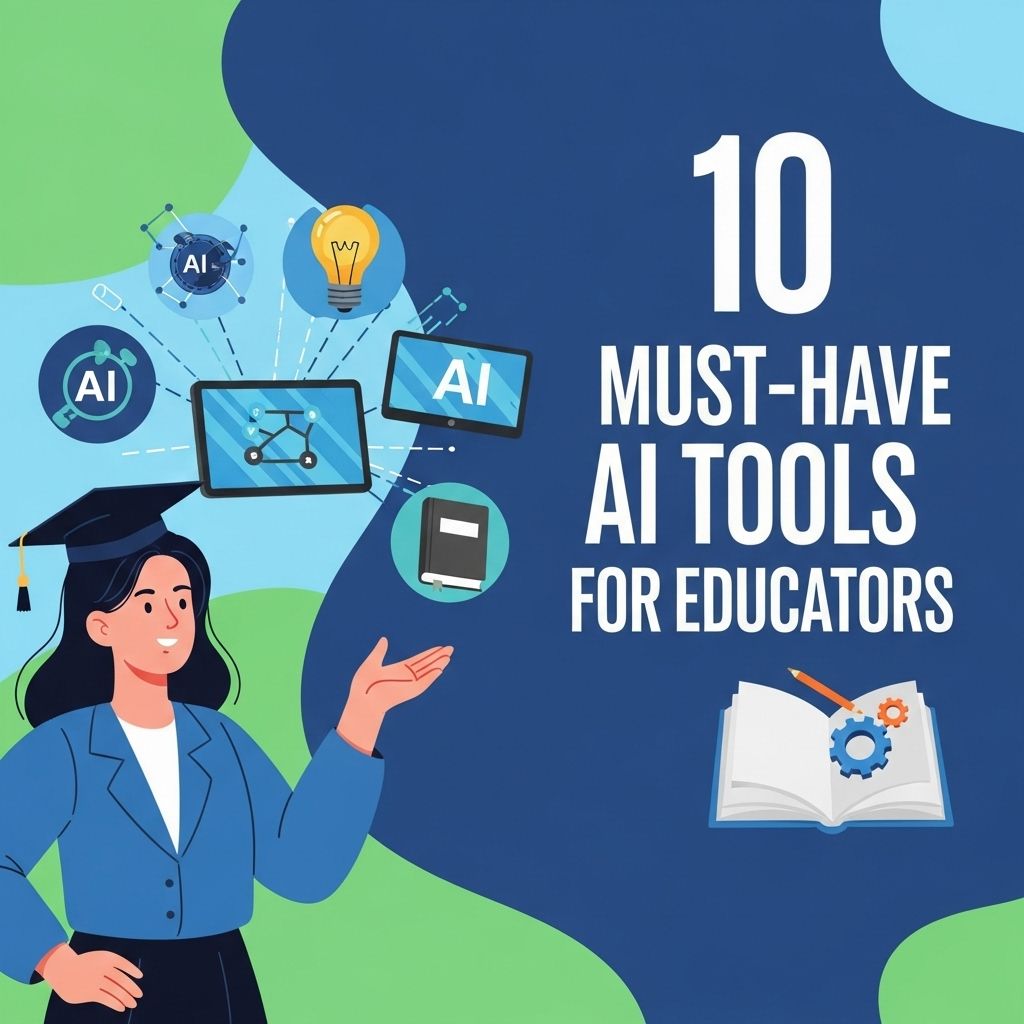
In the rapidly evolving landscape of education, technology plays a critical role in enhancing teaching and learning experiences. Artificial Intelligence (AI) tools have emerged as powerful allies for educators, enabling them to streamline administrative tasks, personalize learning, and engage students more effectively. Whether it’s automating grading processes or providing tailored feedback, AI can transform the educational environment. Here, we explore ten essential AI tools that every educator should consider integrating into their practice.
As educators increasingly turn to technology to enhance their teaching methods, AI tools have emerged as invaluable assets in the classroom. This article explores ten must-have AI tools that can streamline lesson planning, personalize learning experiences, and foster engagement. For those looking to add a creative touch to their teaching materials, view our free mug templates for inspiration.
1. Grammarly
Grammarly is an AI-powered writing assistant that helps both educators and students enhance their writing skills. It provides real-time grammar and spelling checks, as well as suggestions for style and tone. This tool is especially beneficial for teachers who want to provide instantaneous feedback on student writing.
Key Features:
- Grammar and style checks
- Plagiarism detection
- Writing enhancement suggestions
- Browser compatibility
2. Canva
Canva is an intuitive graphic design platform that uses AI to help users create visually appealing presentations, infographics, and other educational materials. Educators can leverage Canva to design interactive content that captivates students’ attention.
Benefits for Educators:
- Access to a vast library of templates
- Customizable graphics and images
- Collaboration features for group projects
3. Edmodo
Edmodo is an educational technology platform that facilitates communication between educators, students, and parents. Utilizing AI, it allows teachers to manage classroom dynamics more effectively and track student performance over time.
Features to Note:
| Feature | Description |
|---|---|
| Assignment Management | Create, distribute, and grade assignments seamlessly. |
| Progress Tracking | Monitor student growth and behavior. |
| Community Engagement | Connect with other educators for resource sharing. |
4. Socratic
Socratic is an AI-driven app that assists students with homework by providing answers and explanations. This tool can be a valuable resource for educators looking to help students understand complex topics outside the classroom.
How It Works:
Students can take a picture of a question, and Socratic will analyze it, offering relevant resources and explanations.
5. Kahoot!
Kahoot! is a game-based learning platform that makes classroom engagement fun. Its AI features adapt the quizzes based on student performance, ensuring that each student is challenged appropriately.
Engagement Strategies:
- Interactive quizzes
- Collaborative learning experiences
- Real-time feedback and results
6. Turnitin
Turnitin is an essential tool for maintaining academic integrity. It uses AI to detect plagiarism in student submissions, providing educators with the ability to enforce ethical writing practices.
Core Functions:
- Plagiarism checking
- Feedback Studio for detailed comments
- Peer review options for students
7. Google Classroom
Google Classroom is a robust platform that integrates AI to help educators manage their classrooms more efficiently. It allows for easy assignment distribution, grading, and communication with students.
Noteworthy Features:
| Feature | Benefit |
|---|---|
| Streamlined Assignments | Send assignments and see student submissions in one place. |
| Integration with Google Tools | Seamlessly connect with Google Docs, Sheets, and Slides. |
| Time-saving Grading | Utilize rubrics and commenting to grade efficiently. |
8. Quizlet
Quizlet is an AI-focused learning tool that enables educators to create study sets and interactive learning experiences. It can be particularly useful for vocabulary building and exam preparation.
Learning Modes:
- Flashcards
- Practice Tests
- Games and activities for engagement
9. Nearpod
Nearpod allows educators to create interactive lessons that can be delivered in real-time or as homework. Its AI capabilities help tailor lessons to meet diverse student needs.
Interactive Features:
- Live polling
- Collaborative boards
- Virtual reality experiences
10. Microsoft Teams
Microsoft Teams has become an integral part of online education, providing a platform for collaboration and communication among educators and students. Using AI, it offers features like transcription and meeting insights, enhancing the overall teaching experience.
Key Functionalities:
| Functionality | Description |
|---|---|
| Video Conferencing | Host online classes with ease. |
| Document Collaboration | Work together on projects in real-time. |
| Integrations | Connect with other educational tools and resources. |
Conclusion
The integration of AI tools in education is not just a trend; it is a necessity for enhancing the learning experience. By utilizing these ten must-have tools, educators can not only streamline their workflow but also engage their students in innovative ways. As technology continues to advance, staying updated with the latest AI tools will be critical for educators looking to prepare their students for the future.
FAQ
What are the top AI tools for educators in 2023?
Some of the top AI tools for educators include Grammarly for writing assistance, Google Classroom for managing coursework, Kahoot for interactive learning, and Quizlet for study aids.
How can AI tools enhance the learning experience for students?
AI tools can provide personalized learning experiences, automate administrative tasks, offer immediate feedback, and facilitate engaging content delivery.
Are AI tools easy to integrate into existing classroom systems?
Most AI tools are designed to be user-friendly and can often be integrated with existing platforms like Learning Management Systems (LMS) with minimal effort.
What benefits do AI tools offer educators?
AI tools help educators save time on grading, provide insights into student performance, enhance lesson planning, and allow for more interactive and adaptive learning environments.
Can AI tools be used for special education?
Yes, AI tools can be particularly beneficial for special education by offering tailored resources, supporting diverse learning styles, and providing additional assistance to students with unique needs.
How do I choose the right AI tool for my classroom?
When choosing an AI tool, consider factors such as the specific needs of your students, ease of use, integration capabilities, and the support and resources offered by the tool.