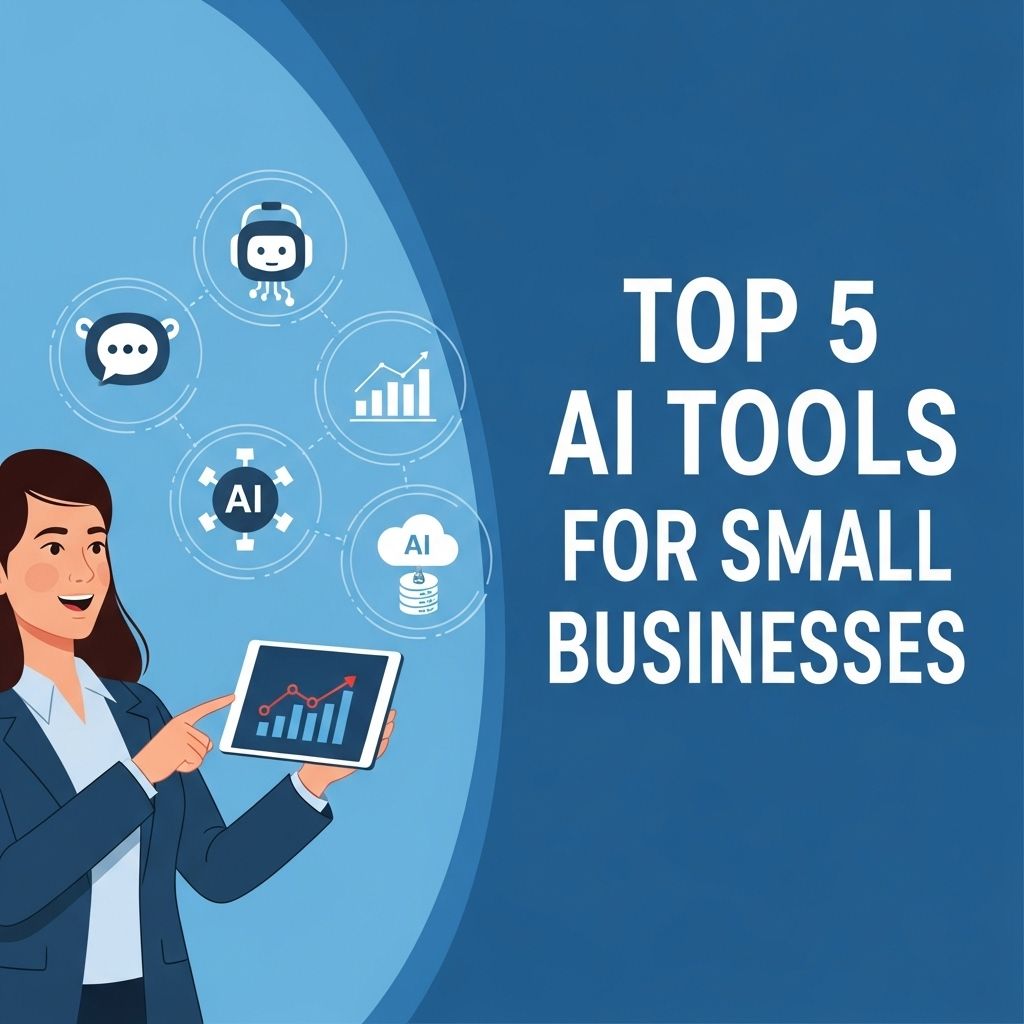
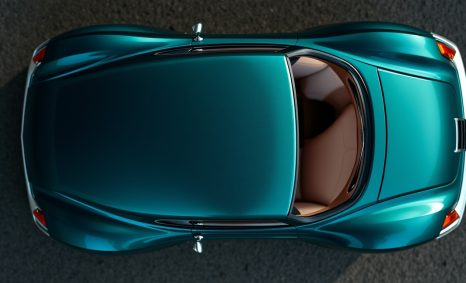
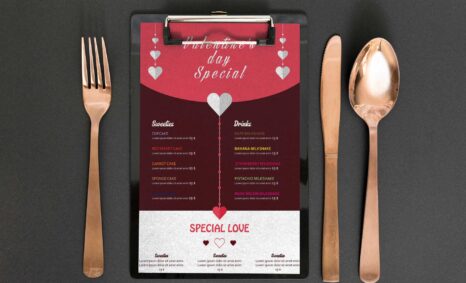
As the landscape of artificial intelligence continues to evolve at a staggering pace, the potential applications of AI image generators are becoming increasingly diverse and innovative. In this article, we will explore ten groundbreaking ideas that could reshape the way we create and interact with visual content by the year 2025. From enhancing creativity in artistic endeavors to revolutionizing industries like fashion and entertainment, these concepts represent the future of AI-driven imagery.
As we look ahead to 2025, the potential for AI image generators continues to expand, presenting innovative applications that could transform various industries. From personalized marketing visuals to dynamic art creation, these technologies promise to inspire new levels of creativity and efficiency. For insights into the latest advancements in this field, Check out our model selection.
1. Personalized Art Creation
Imagine an AI image generator capable of creating personalized artwork based on individual user preferences, moods, and experiences. This could function through:
- Input of personal photos and memories
- Selection of preferred art styles (e.g., impressionism, surrealism)
- Integration of user-generated content to maintain a unique touch
Benefits
This would allow users to own one-of-a-kind artworks that reflect their identity, enabling a deeper emotional connection with the art.
2. Instant Fashion Design
Fashion designers could leverage AI image generators to create clothing designs and visualize collections instantly. Key features might include:
- Generating fashion sketches based on current trends
- Real-time alterations to designs
- Creating virtual models with diverse body types
Impact
This would greatly reduce design time and enable more inclusive fashion representations.
3. Virtual Real Estate Staging
Real estate agents could use AI image generators to stage homes virtually, allowing potential buyers to visualize properties without the need for physical staging. This could involve:
- Incorporating furniture styles tailored to buyer preferences
- Modifying color palettes and layouts based on target demographics
- Offering different environmental settings (e.g., seasonal changes)
Advantages
This not only saves costs but also enhances buyer engagement by providing immersive visual experiences.
4. Dynamic Video Game Environments
Future video games could utilize AI-generated imagery to create dynamic, ever-changing environments. Features could include:
- Procedurally generated landscapes that adapt to player actions
- AI characters that evolve their appearance based on storyline choices
- Real-time texture updates influenced by player interactions
Outcome
This would provide players with a more immersive and personalized gaming experience, making each playthrough unique.
5. AI-Driven Marketing Visuals
Marketing teams could harness AI image generators to create tailored visuals for campaigns. This could involve:
- Automated generation of product mockups based on target demographics
- Creating social media graphics that adapt to audience analytics
- Designing promotional materials that resonate with current events
Effectiveness
This would streamline the marketing process, allowing brands to stay relevant in real-time.
6. Interactive Storytelling and Comics
Writers and artists could collaborate with AI image generators to create visually engaging narratives, particularly in comic books and graphic novels. Features might include:
- Generating illustrations based on story developments
- Customizing character designs due to plot progression
- Adapting scene layouts based on pacing
Creative Freedom
This approach would facilitate the storytelling process and inspire new genres of interactive literature.
7. AI-Assisted Medical Imaging
In healthcare, AI image generators could be critical in assisting with diagnostics and simulations. Possible applications include:
- Generating visualizations from medical data for easier interpretation
- Creating anatomical models tailored to individual patient needs
- Simulating surgical procedures for educational purposes
Healthcare Impact
This could enhance training for healthcare professionals and improve patient understanding of complex medical conditions.
8. Environmental Conservation Visualizations
AI image generators could play a pivotal role in environmental conservation efforts by creating visuals that depict changes in ecosystems. Key features might be:
- Producing before-and-after images of conservation projects
- Creating scenarios to visualize potential ecological outcomes
- Graphically representing data on climate change impacts
Awareness Raising
Such tools could significantly enhance public awareness and engagement in conservation efforts.
9. Customized Educational Tools
Education could benefit greatly from AI-generated imagery that caters to individual learning styles. Possibilities could include:
- Generating visual aids based on curriculum and student needs
- Creating interactive diagrams and models for complex subjects
- Designing gamified learning experiences through imagery
Learning Enhancement
This would foster better engagement and understanding among students, particularly in STEM fields.
10. AI-Enhanced Photography
By 2025, photographers could utilize AI image generators to amplify their creative processes. This could involve:
- Generating unique backgrounds for portraits
- Assisting in post-editing with style recommendations
- Providing inspiration through concept imagery based on themes
Creativity Boost
This would allow photographers to push creative boundaries and explore new artistic avenues.
Conclusion
The potential of AI image generators is vast, and as we approach 2025, these innovative ideas highlight just a fraction of what could be possible. By integrating these technologies into various fields, we can foster creativity, improve efficiency, and transform the way we interact with visual content. The future of imagery is bright, and it’s exciting to imagine the possibilities that lie ahead.
FAQ
What are the top AI image generator ideas for 2025?
The top AI image generator ideas for 2025 include personalized avatar creators, advanced landscape generation tools, real-time image editing applications, AI-driven fashion design generators, and interactive storytelling visuals.
How can AI image generators impact the creative industry?
AI image generators can significantly enhance the creative industry by streamlining the design process, offering unique artistic styles, and allowing creators to experiment with concepts quickly and efficiently.
What features should an AI image generator have in 2025?
In 2025, an AI image generator should include features like user-friendly interfaces, customizable style options, high-resolution output, real-time collaboration tools, and integration with other creative software.
Can AI image generators be used for commercial purposes?
Yes, AI image generators can be used for commercial purposes, such as creating marketing materials, product designs, and artwork for various media, provided users adhere to copyright and licensing agreements.
What are the ethical considerations of using AI image generators?
Ethical considerations include the potential for copyright infringement, the misuse of generated images, and the impact on traditional artists, necessitating transparency and responsible use in the creative process.
How can businesses leverage AI image generators in 2025?
Businesses can leverage AI image generators in 2025 for creating custom visuals for branding, enhancing customer engagement through personalized content, and streamlining the design workflow to reduce costs and time.