Email marketing is a powerful tool for affiliate marketers, allowing them to build relationships with their audience and drive conversions effectively. A well-structured email funnel is essential for nurturing leads, providing valuable content, and eventually guiding them toward making a purchase. In this article, we will explore the steps involved in building a successful affiliate email funnel that can significantly enhance your marketing efforts.
Mastering your affiliate email funnel can significantly boost your marketing efforts and increase conversions. In this step-by-step guide, we’ll explore essential strategies to optimize your funnel and engage your audience effectively. For those looking to enhance their product presentations, find quality mug templates here that can complement your email campaigns.
Understanding the Basics of an Email Funnel
An email funnel consists of a series of emails sent to potential customers, designed to gradually lead them toward a specific action, such as making a purchase or signing up for a service. Here are the key stages of an email funnel:
- Awareness: Introduce your audience to your brand and value proposition.
- Interest: Provide engaging content that sparks interest in your products or services.
- Consideration: Nurture leads with more information and testimonials to help them evaluate their options.
- Action: Encourage them to make a purchase or take a specific action.
Step 1: Define Your Target Audience
Before you can build an effective email funnel, you need to understand who your target audience is. Here are some ways to define your audience:
- Conduct Market Research: Use surveys and tools like Google Analytics to gather data on your audience’s demographics and preferences.
- Create Buyer Personas: Develop detailed profiles of your ideal customers, including their interests, pain points, and buying behavior.
- Analyze Competitors: Study your competitors to see who they are targeting and identify gaps in the market.
Step 2: Choose the Right Email Marketing Platform
Selecting the right email marketing platform is crucial for managing your email funnel efficiently. Consider the following factors:
- Ease of Use: Choose a platform that is user-friendly and offers intuitive design tools.
- Automation Features: Look for automation capabilities that allow you to send scheduled emails based on user behavior.
- Analytics and Reporting: Ensure the platform provides detailed reports on open rates, click-through rates, and conversions.
Step 3: Create Compelling Lead Magnets
A lead magnet is an incentive offered to potential customers in exchange for their email addresses. Effective lead magnets should provide real value. Here are some ideas:
- eBooks: Offer a comprehensive guide related to your niche.
- Webinars: Host free online workshops that educate your audience on relevant topics.
- Discount Coupons: Provide exclusive discounts for first-time subscribers.
- Checklists: Create useful checklists that simplify complex processes.
Step 4: Design Your Email Funnel Sequence
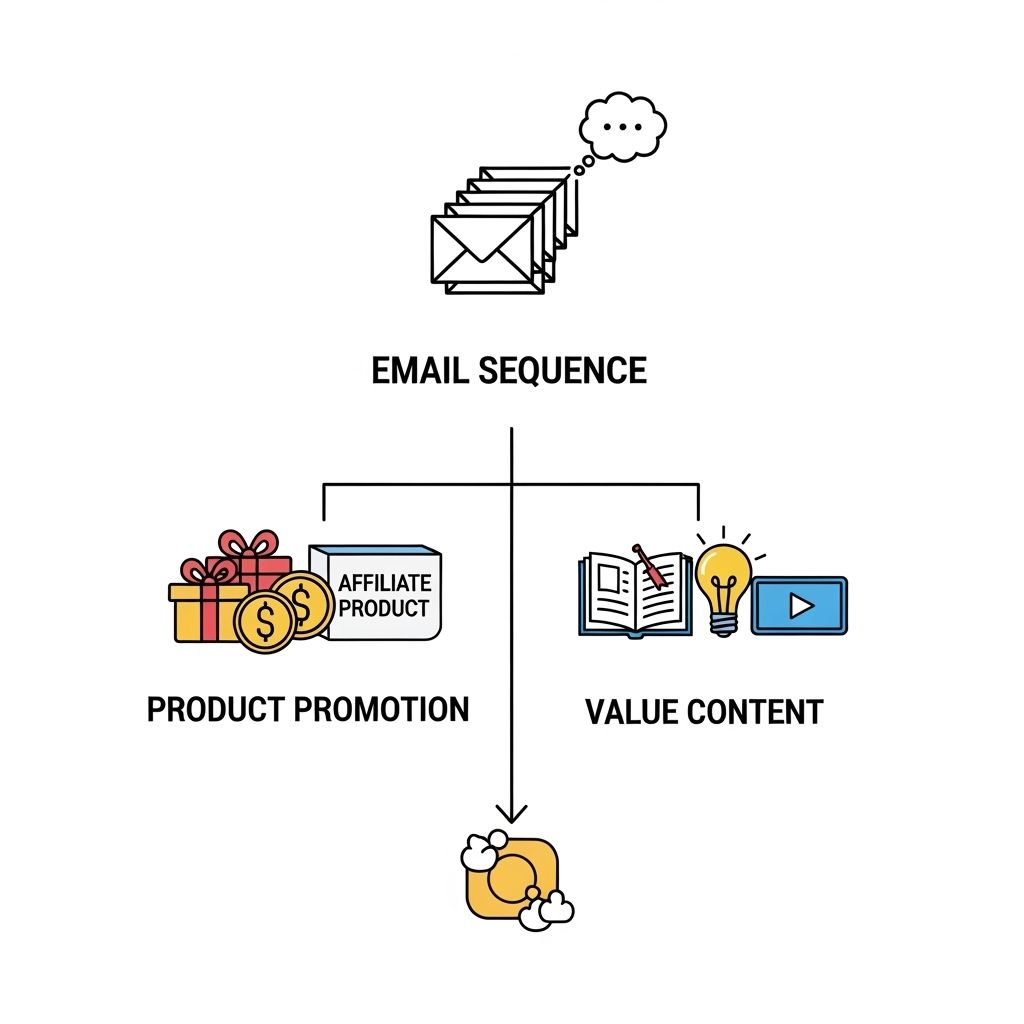
Your email funnel should consist of a series of well-crafted emails that guide subscribers through the stages of the funnel. Here’s a sample sequence:
Email 1: Welcome Email
Send a warm welcome message to new subscribers, thanking them for joining your list and introducing your brand.
Email 2: Value-Added Content
Provide useful information, such as tips, tutorials, or insights, that positions you as an expert in your field.
Email 3: Product Introduction
Introduce your affiliate products and explain how they can solve your subscribers’ problems.
Email 4: Social Proof
Share testimonials, case studies, or user-generated content to reinforce the value of your products.
Email 5: Special Offer
Offer a limited-time discount or bonus for purchasing through your affiliate link, encouraging immediate action.
Step 5: Personalization and Segmentation
To increase engagement and conversions, personalize your emails and segment your audience. Here’s how:
- Personalization: Use the subscriber’s name and tailor content based on their interests and behavior.
- Segmentation: Divide your email list into groups based on demographics, purchase history, or engagement level. This allows you to send targeted messages that resonate more with each group.
Step 6: Monitor Performance and Optimize
After launching your email funnel, it’s essential to monitor its performance and make adjustments as needed. Here are key metrics to track:
| Metric | Description | Optimal Range |
|---|---|---|
| Open Rate | The percentage of recipients who opened your email. | 15% – 25% |
| Click-Through Rate (CTR) | The percentage of recipients who clicked on a link in your email. | 2% – 5% |
| Conversion Rate | The percentage of subscribers who completed the desired action. | 1% – 5% |
Use A/B testing to experiment with different subject lines, email content, and calls to action (CTAs) to see what resonates best with your audience.
Step 7: Maintain Your Email List
Regularly cleaning and maintaining your email list is crucial for the success of your email funnel. Follow these best practices:
- Remove Inactive Subscribers: Regularly remove subscribers who haven’t engaged with your emails in a while.
- Encourage Engagement: Ask your subscribers for feedback and encourage them to reply to your emails.
- Update Preferences: Allow subscribers to update their preferences for receiving emails to keep them engaged with relevant content.
Conclusion
Building a successful affiliate email funnel takes time and effort, but it can yield significant returns if done correctly. By understanding your audience, providing valuable content, and nurturing leads through a well-structured sequence of emails, you can enhance your affiliate marketing efforts and increase conversions. Remember to continuously monitor and optimize your funnel to stay relevant and effective in an ever-changing digital landscape.
FAQ
What is an affiliate email funnel?
An affiliate email funnel is a series of automated emails designed to guide potential customers through the buying process, promoting affiliate products and ultimately increasing conversions.
How do I choose the right affiliate products for my email funnel?
Select affiliate products that align with your audience’s interests and needs, ensuring they provide value and have a good reputation.
What are the key components of an effective affiliate email funnel?
An effective affiliate email funnel typically includes a lead magnet, a welcome email, value-driven content emails, promotional emails, and follow-up sequences.
How can I grow my email list for my affiliate funnel?
You can grow your email list by offering valuable content, utilizing social media, running ads, and leveraging partnerships with other influencers in your niche.
What email marketing tools are best for building an affiliate email funnel?
Popular email marketing tools for building affiliate funnels include Mailchimp, ConvertKit, and ActiveCampaign, which offer automation features and analytics.
How often should I send emails in my affiliate funnel?
The frequency of your emails can vary, but a common approach is to send emails weekly or bi-weekly, balancing value and promotional content to keep subscribers engaged.