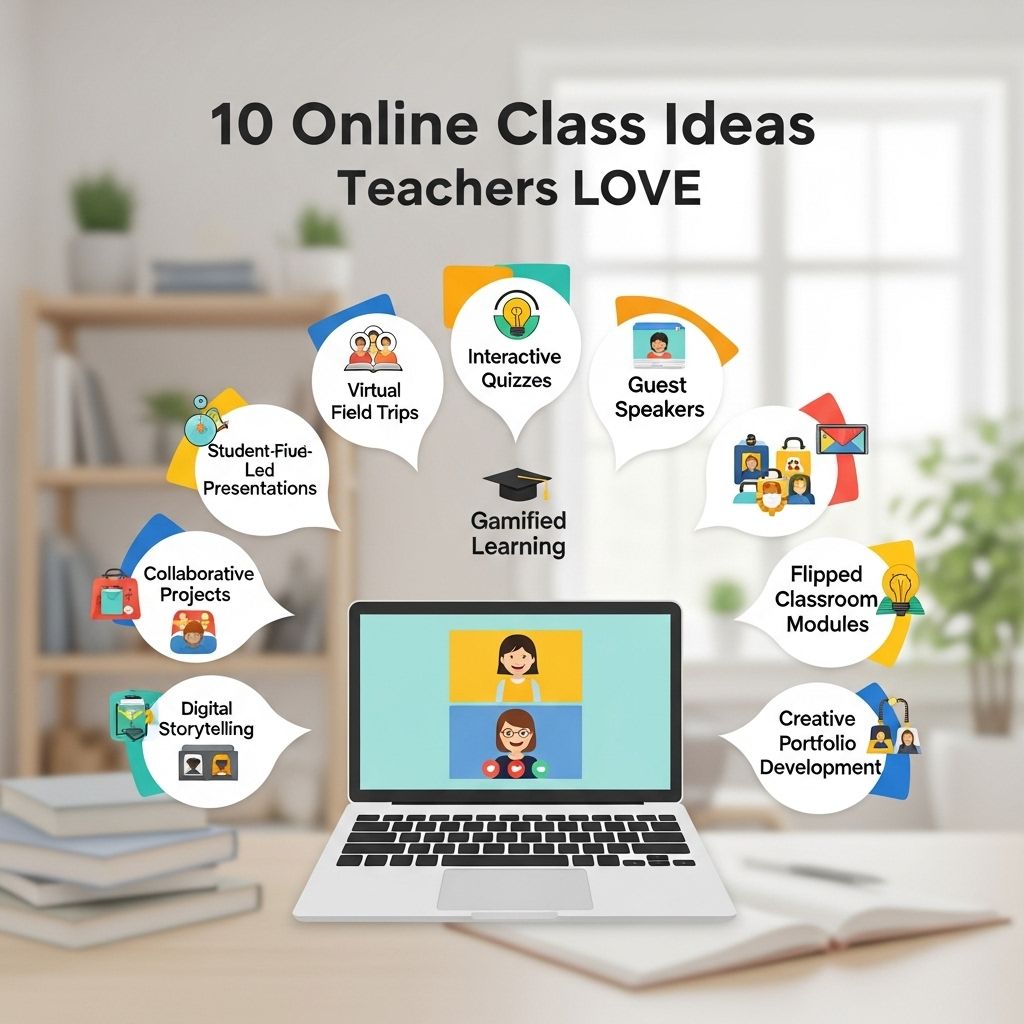
In the ever-evolving landscape of education, teachers are constantly seeking innovative ways to engage their students. With the rise of online learning, the need for creative and effective online class ideas has become even more pronounced. This article explores a range of exciting online class ideas that not only facilitate learning but also capture the interest of both educators and students alike.
As the world of education continues to expand online, teachers are constantly seeking innovative class ideas that engage students and foster creativity. From virtual art projects to interactive science experiments, there are countless ways to make online learning enjoyable. For teachers looking to visually enhance their lessons, discover creative mug mockups can provide a unique tool to bring personal projects to life.
1. Interactive Workshops
Transform traditional lectures into interactive workshops where students can actively participate. These workshops can cover various topics, from science experiments to creative writing sessions. Consider the following:
- Breakout rooms for small group discussions.
- Live polling and Q&A sessions.
- Hands-on activities using everyday materials.
Benefits of Interactive Workshops
- Encourages collaboration among students.
- Enhances critical thinking and problem-solving skills.
- Increases student engagement and motivation.
2. Virtual Field Trips
Take your students on a virtual field trip to enhance their learning experience. Many platforms offer 360-degree videos and virtual tours of museums, historical sites, and natural wonders. Here are some ideas:
- Museums: Explore the Louvre, the Smithsonian, or the British Museum.
- National Parks: Visit Yellowstone, the Grand Canyon, or Yosemite.
- Historical Sites: Tour the Great Wall of China or ancient ruins in Greece.
How to Organize a Virtual Field Trip
To make the experience memorable:
- Prepare questions or a scavenger hunt related to the location.
- Encourage students to take notes or pictures during the trip.
- Follow up with a discussion or reflective writing assignment.
3. Gamified Learning
Incorporate game mechanics into your online classes to increase engagement and participation. Gamification can motivate students and make learning fun. Consider these strategies:
- Create quizzes using platforms like Kahoot! or Quizizz.
- Develop a class leaderboard for participation and achievements.
- Use role-playing games to teach concepts in a creative way.
Examples of Gamified Learning Activities
| Activity | Description | Tools |
|---|---|---|
| Trivia Challenge | Students compete in teams to answer trivia questions. | Kahoot!, Quizlet |
| Escape Room | Students solve puzzles and riddles to ‘escape’ the virtual room. | Google Forms, breakout rooms |
| Digital Scavenger Hunt | Students hunt for items or information online based on clues. | Padlet, Google Slides |
4. Collaborative Projects
Foster teamwork and collaboration through group projects. Utilize online tools that facilitate teamwork and communication. Here are some effective approaches:
- Use platforms like Google Docs for real-time collaboration.
- Assign roles to each group member to ensure participation.
- Encourage peer feedback to enhance learning.
Types of Collaborative Projects
- Research projects: Investigate a topic together and present findings.
- Creative projects: Create a video, podcast, or digital art piece.
- Service learning: Develop a project that addresses a community issue.
5. Flipped Classroom Model
Implementing a flipped classroom model allows students to learn at their own pace. Students review lecture materials (videos, articles) at home and engage in hands-on activities during class. Here’s how to implement it:
- Create short, informative videos on the lesson topics.
- Assign readings or online discussions prior to class.
- Utilize class time for activities, discussions, and clarifying doubts.
Advantages of the Flipped Classroom
- Students can learn at their own pace, reviewing materials as needed.
- Class time is devoted to active learning rather than passive listening.
- Encourages accountability and self-directed learning.
6. Coding and Robotics Classes
Introduce students to the world of coding and robotics, which are essential skills in today’s tech-driven society. Online resources make it easier than ever to teach these subjects:
- Use platforms like Code.org or Scratch for coding lessons.
- Incorporate robotics kits like LEGO Mindstorms or VEX Robotics for hands-on projects.
- Organize competitions to foster a sense of achievement.
Resources for Teaching Coding
| Resource | Type | Age Group |
|---|---|---|
| Codecademy | Online courses | Teens and adults |
| Scratch | Interactive platform | Kids |
| Khan Academy | Online lessons and projects | All ages |
7. Book Clubs
Start a virtual book club where students can discuss literature and share their insights. This encourages reading and critical thinking:
- Select books that resonate with students’ interests.
- Host regular discussions using video conferencing tools.
- Encourage creative responses, like art or writing based on the book themes.
Benefits of Virtual Book Clubs
- Promotes a love for reading and literature.
- Fosters a sense of community among students.
- Enhances comprehension and analytical skills.
8. Guest Speaker Sessions
Invite guest speakers from various fields to share their expertise and experiences. This exposes students to real-world perspectives:
- Coordinate with local professionals or alumni.
- Prepare students with questions to engage during the session.
- Record sessions for future reference or for students who missed it.
Types of Guest Speakers
| Field | Example |
|---|---|
| Science | A local researcher discussing climate change. |
| Arts | A published author sharing writing tips. |
| Business | An entrepreneur discussing starting a business. |
9. Virtual Reality Experiences
Utilize virtual reality (VR) technology to create immersive learning experiences. This can transform the way students engage with lessons:
- Explore VR applications related to your subject area.
- Encourage students to share their VR experiences and insights.
- Discuss the implications and future of technology in education.
Applications for Virtual Reality in Education
- Virtual science labs for hands-on experimentation.
- Historical reenactments to understand past events.
- Simulations of real-world scenarios for practical learning.
10. Personalized Learning Paths
Create individualized learning plans that cater to each student’s interests and pace. This can dramatically enhance their motivation and achievement:
- Assess students’ learning styles and preferences.
- Provide various resources, activities, and assessments.
- Encourage self-reflection and goal-setting.
Strategies for Personalized Learning
- Utilize online assessments to identify strengths and weaknesses.
- Offer choices in assignments to foster autonomy.
- Integrate technology to support individualized learning experiences.
In conclusion, with these innovative online class ideas, teachers can create dynamic and engaging learning environments. By embracing technology and interactive teaching methods, educators can inspire and motivate their students to reach new heights.
FAQ
What are some popular online class ideas for teachers?
Some popular online class ideas for teachers include virtual book clubs, interactive science experiments, creative writing workshops, digital art classes, and coding bootcamps.
How can teachers engage students in online classes?
Teachers can engage students in online classes by incorporating interactive activities, using multimedia presentations, facilitating group discussions, and utilizing gamification techniques.
What technology tools can enhance online learning?
Technology tools that can enhance online learning include video conferencing platforms like Zoom, learning management systems like Google Classroom, and interactive tools like Kahoot and Padlet.
How can I create an effective online class syllabus?
To create an effective online class syllabus, clearly outline course objectives, provide a schedule of topics and assignments, establish communication guidelines, and include assessment methods.
What are some effective assessment strategies for online classes?
Effective assessment strategies for online classes include online quizzes, peer assessments, project-based assignments, and participation in discussion forums.
How can I make my online classes more interactive?
To make online classes more interactive, incorporate polls, breakout rooms for group work, interactive simulations, and encourage student-led discussions.