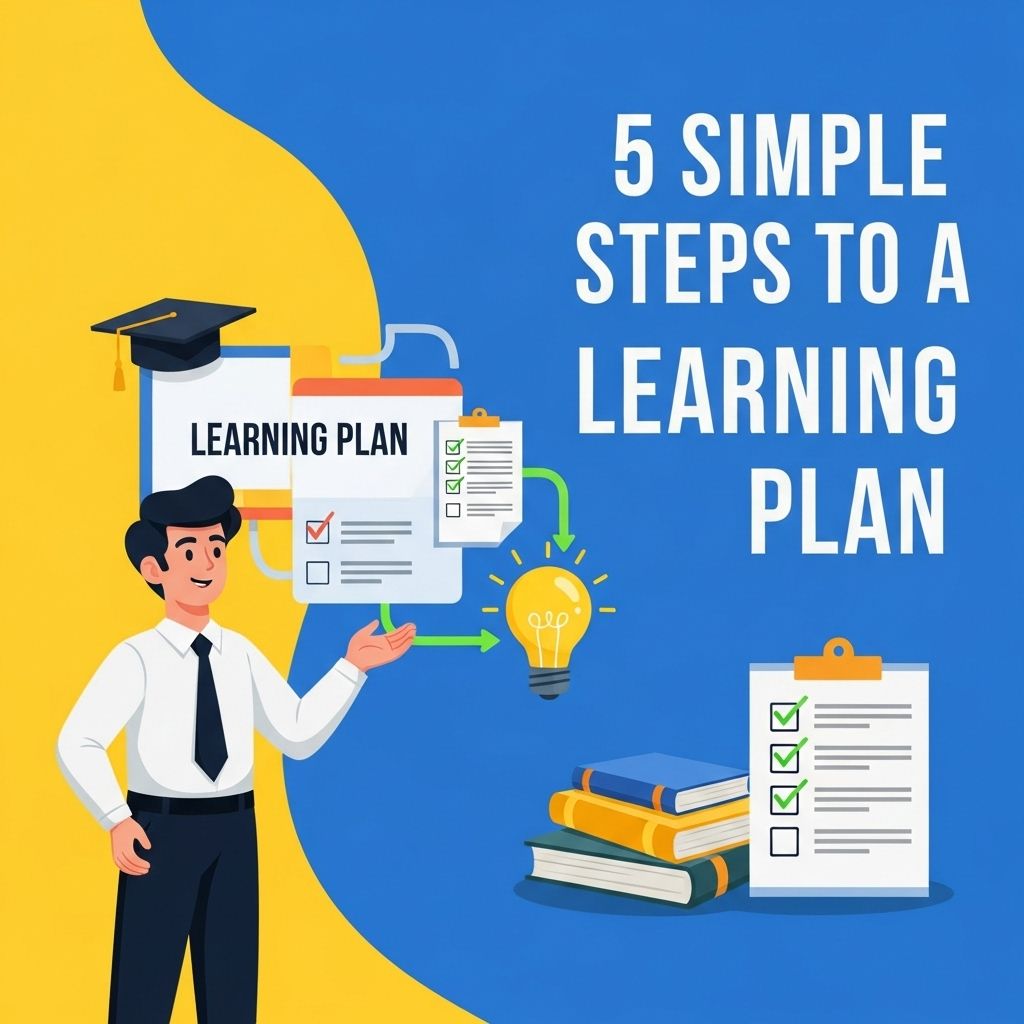
In an era where information is abundant and learning opportunities are vast, creating a personalized learning plan becomes essential for anyone looking to gain new skills or knowledge. A well-structured learning plan can help you focus your efforts, track your progress, and make the most of your time and resources. Whether you’re a student, a professional looking to upskill, or a lifelong learner, following a clear roadmap can greatly enhance your learning experience. Here, we outline a straightforward five-step approach to crafting an effective learning plan.
Creating an effective learning plan can significantly enhance your educational journey. By following five simple steps, you can tailor your approach to meet your specific needs and goals. For those interested in how structured models can benefit other areas, consider exploring how to analyze popular trends in bag models as a parallel.
Step 1: Define Your Learning Goals
The first crucial step in creating a learning plan is to identify what you want to achieve. Setting clear and achievable goals will help guide your decisions and keep you motivated. Consider the following questions:
- What specific skills or knowledge do you want to acquire?
- Why are these goals important to you?
- How will you measure your success?
Once you have your answers, frame your goals using the SMART criteria:
- Specific: Be clear about what you want to learn.
- Measurable: Define how you will track progress.
- Achievable: Ensure your goals are realistic.
- Relevant: Align your goals with your interests or career aspirations.
- Time-bound: Set deadlines for achieving your goals.
Step 2: Conduct a Learning Needs Assessment
Understanding your current knowledge and skills is vital for effective learning. A learning needs assessment helps you identify gaps in your knowledge and tailor your learning activities accordingly. Here’s how to perform a self-assessment:
- Reflect on Existing Skills: List out the skills you currently possess that are related to your learning goals.
- Identify Gaps: Compare your existing skills against what you need to achieve your goals.
- Consult Resources: Use online tools, surveys, or feedback from peers to gain additional insights.
By completing this assessment, you’ll have a clearer understanding of what you need to focus on as you create your learning plan.
Step 3: Select Learning Resources
Now that you have a clear understanding of your goals and needs, it’s time to gather the resources that will support your learning journey. Consider a variety of formats to keep things engaging:
- Online Courses: Platforms like Coursera, Udemy, or edX offer a wide range of courses.
- Books: Look for both foundational texts and cutting-edge publications relevant to your area of study.
- Podcasts and Videos: Find educational podcasts or YouTube channels that cover your topics of interest.
- Workshops and Webinars: Enroll in live or recorded sessions for interactive learning experiences.
Create a list of selected resources and categorize them based on your learning style and preferences. This variety will keep you engaged and prevent burnout.
Step 4: Create a Structured Schedule
With your goals and resources established, it’s time to devise a structured schedule. A well-planned timetable helps ensure you dedicate the necessary time to each aspect of your learning. Here are some tips to consider:
- Time Allocation: Decide how many hours per week you can realistically commit to learning.
- Break It Down: Divide your learning into manageable segments or topics.
- Use a Calendar: Use digital tools like Google Calendar or Trello to organize your schedule and set reminders.
Below is an example of a weekly study schedule:
| Day | Activity | Duration |
|---|---|---|
| Monday | Online Course Module 1 | 2 hours |
| Wednesday | Reading Chapter 1 of book | 1 hour |
| Friday | Watch related educational videos | 1.5 hours |
| Saturday | Participate in a webinar | 2 hours |
Step 5: Monitor Progress and Adjust as Needed
The final step in your learning plan is to regularly review and adjust your approach based on what is working and what is not. Here’s how to keep track of your progress effectively:
- Set Milestones: Create checkpoints in your schedule where you evaluate your understanding of the material.
- Reflect: After completing each resource, ask yourself what you learned and how you can apply it.
- Stay Flexible: Be willing to adjust your plan if you find that certain resources or methods are not resonating with you.
Keeping a learning journal can be a powerful tool for self-reflection and accountability. Document your thoughts, insights, and progress as you move through your plan.
Conclusion
Crafting a personalized learning plan is a powerful way to take control of your educational journey. By defining your goals, assessing your needs, selecting appropriate resources, structuring your schedule, and monitoring your progress, you can create an effective roadmap that aligns with your aspirations. Remember, the key to successful learning is not just the resources you choose but how you engage with them. Happy learning!
FAQ
What are the key elements of a learning plan?
A learning plan typically includes goals, resources, timelines, assessment methods, and reflection strategies to track progress.
How do I set effective learning goals?
Effective learning goals should be SMART: Specific, Measurable, Achievable, Relevant, and Time-bound.
What resources can I use to create my learning plan?
Resources can include books, online courses, tutorials, workshops, and mentorship programs tailored to your learning objectives.
How can I assess my progress in my learning plan?
You can assess your progress through quizzes, self-reflection, peer feedback, and by tracking milestones along the way.
Why is reflection important in a learning plan?
Reflection allows you to evaluate your learning experiences, identify areas for improvement, and adjust your strategies to enhance future learning.
Can a learning plan be adjusted over time?
Yes, a learning plan should be flexible and can be adjusted as you progress, encounter new challenges, or change your goals.