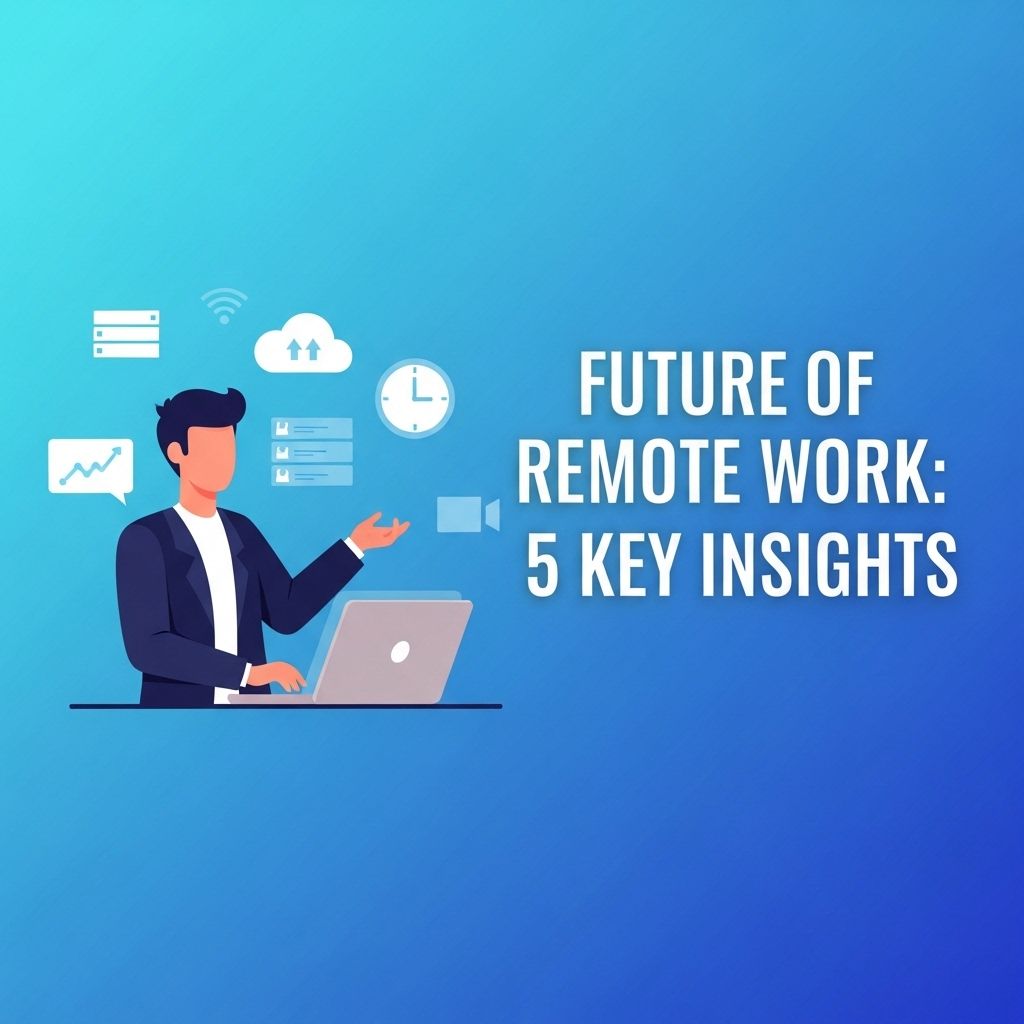
The landscape of work has undergone a tremendous transformation in recent years, particularly accelerated by the global pandemic. Remote work, once a privilege or an option for many, has now become a necessity for numerous organizations worldwide. As businesses adapt to this new paradigm, understanding the future of remote work is essential for both employees and employers. This article explores five key insights that will shape the future of remote work and how both traditional and new organizations can thrive in this evolving environment.
As remote work continues to evolve, understanding its future implications is essential for both employers and employees. This article highlights five key insights that can shape the way organizations approach remote work strategies moving forward. For a deeper understanding of the tools adapting to this shift, Look at our featured models.
The Rise of Hybrid Work Models
One of the most significant trends in the remote work space is the emergence of hybrid work models. These models combine the flexibility of remote work with the benefits of in-office collaboration. Here’s what you need to know:
Benefits of Hybrid Work
- Flexibility: Employees can choose where they work, which can lead to higher job satisfaction and retention.
- Cost Savings: Organizations can reduce their real estate footprint, leading to lower overhead costs.
- Increased Productivity: Many studies suggest that employees are often more productive when working remotely.
- Stronger Collaboration: In-person meetings can be more effective for brainstorming and relationship building.
Challenges to Consider
- Communication Gaps: Employees may feel disconnected if they do not come into the office regularly.
- Team Dynamics: Maintaining a cohesive team culture can be challenging in a hybrid setup.
- Technology Dependence: Organizations must invest in reliable tools to facilitate remote collaboration.
Technological Advancements Driving Remote Work
As businesses lean more towards remote work, technology has become a crucial pillar supporting this evolution. Several advancements are reshaping how we interact, collaborate, and manage remote teams.
Key Technologies to Watch
| Technology | Description | Impact on Remote Work |
|---|---|---|
| Video Conferencing Tools | Platforms like Zoom and Microsoft Teams enable face-to-face meetings regardless of location. | Enhances communication and reduces feelings of isolation. |
| Project Management Software | Tools like Trello and Asana help teams track progress on tasks and projects. | Increases transparency and accountability among remote workers. |
| Cloud Computing | Services like Google Drive and Dropbox allow for easy access to files and collaboration. | Facilitates seamless sharing and teamwork across distances. |
| AI and Automation | Artificial Intelligence can streamline processes and optimize workflows. | Reduces manual tasks, allowing employees to focus on high-value work. |
The Importance of Work-Life Balance
One of the notable advantages of remote work is the improved work-life balance it can offer. However, this balance can be easily disrupted if employees do not set boundaries. Here are some strategies to maintain equilibrium:
Strategies for Achieving Work-Life Balance
- Set Clear Boundaries: Define specific work hours and communicate them to your team.
- Create a Dedicated Workspace: Establish a workspace that is separate from your personal living area to enhance focus.
- Utilize Breaks Wisely: Regular breaks can enhance productivity and prevent burnout.
- Engage in Non-Work Activities: Participate in hobbies or family activities to recharge.
The Shift in Employee Expectations
With the dramatic shift towards remote work, employee expectations have evolved significantly. Today’s workforce values flexibility and autonomy more than ever before.
What Employees Want
- Flexibility in Hours: Employees desire the ability to work hours that suit their personal lives.
- Career Development Opportunities: Remote workers are looking for opportunities for growth and learning.
- Health and Wellness Support: Companies are expected to provide resources that support mental and physical health.
How Employers Can Meet These Expectations
- Offer flexible working arrangements to accommodate various lifestyles.
- Invest in training programs and provide access to resources for professional development.
- Implement employee wellness initiatives such as mental health days or fitness memberships.
The Evolution of Company Culture
Company culture is critical to employee engagement and retention, and this culture must evolve to suit the remote work environment. Here are ways organizations can cultivate a positive remote culture:
Building a Remote Culture
- Communication: Encourage open communication through regular check-ins and virtual team-building activities.
- Recognition: Implement recognition programs that celebrate employee achievements, both big and small.
- Inclusivity: Foster an inclusive environment where diverse voices are heard and valued.
Conclusion
The future of remote work is bright, presenting unique challenges and opportunities for both employees and employers. By embracing hybrid models, leveraging technology, prioritizing work-life balance, meeting employee expectations, and evolving company culture, organizations can thrive in this new landscape. As we move forward, it is crucial to remain adaptable, innovative, and responsive to the ever-changing dynamics of the workplace.
FAQ
What is the future of remote work?
The future of remote work is expected to be more flexible, with hybrid models becoming the norm, allowing employees to choose when and where they work.
How will technology impact remote work?
Technology will continue to enhance remote work through advanced collaboration tools, AI-driven productivity software, and improved cybersecurity measures.
What are the benefits of remote work for companies?
Remote work offers companies reduced overhead costs, access to a larger talent pool, and increased employee satisfaction, which can lead to higher retention rates.
How can companies maintain team cohesion in a remote work environment?
Companies can maintain team cohesion by encouraging regular communication, virtual team-building activities, and fostering a strong company culture.
What challenges come with remote work?
Challenges of remote work include potential communication issues, difficulties in managing productivity, and the risk of employee isolation.
What skills are important for remote workers?
Important skills for remote workers include effective communication, time management, self-discipline, and proficiency in digital collaboration tools.