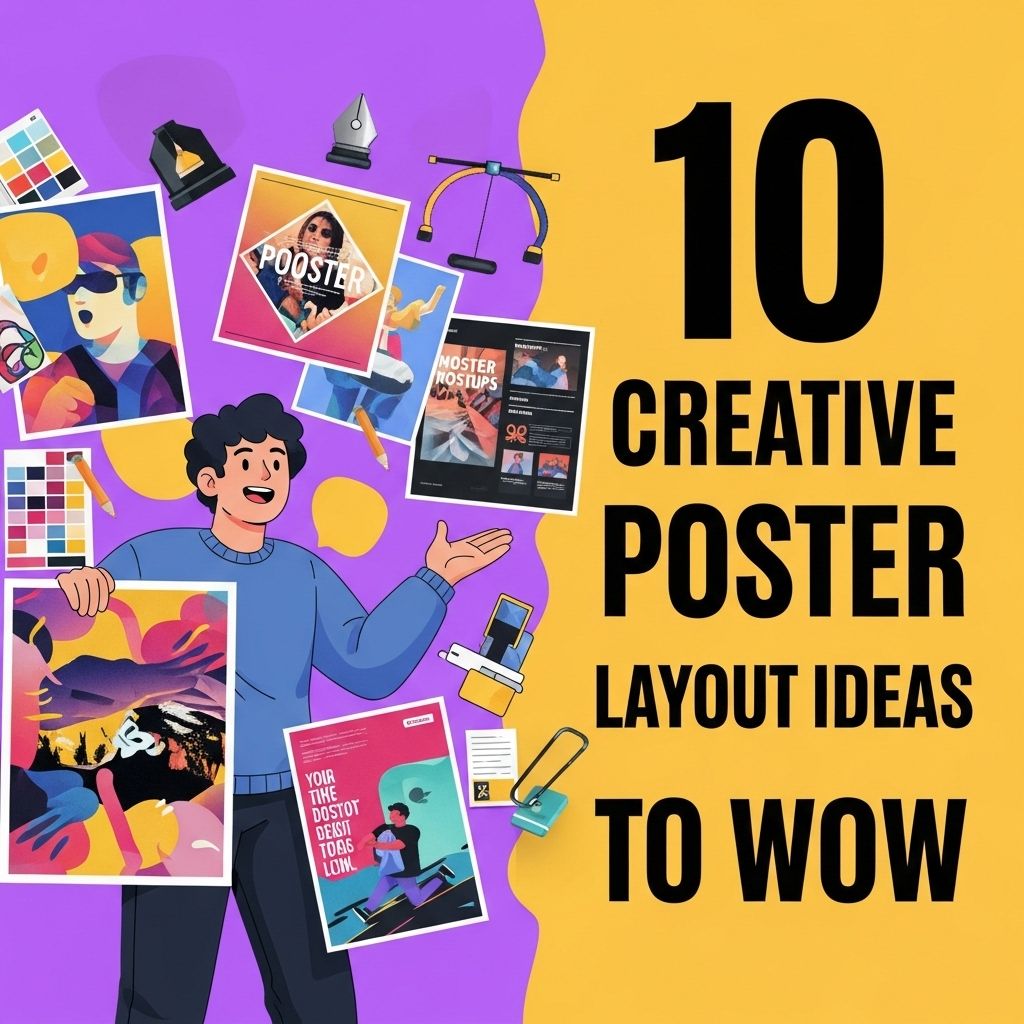
Posters are a powerful medium for communication, creativity, and branding. They can capture attention in just a glance and convey complex messages in an engaging manner. Whether for advertising, events, or artistic expression, having an eye-catching layout is crucial. Let’s explore ten creative poster layout ideas that are sure to wow your audience and elevate your design game.
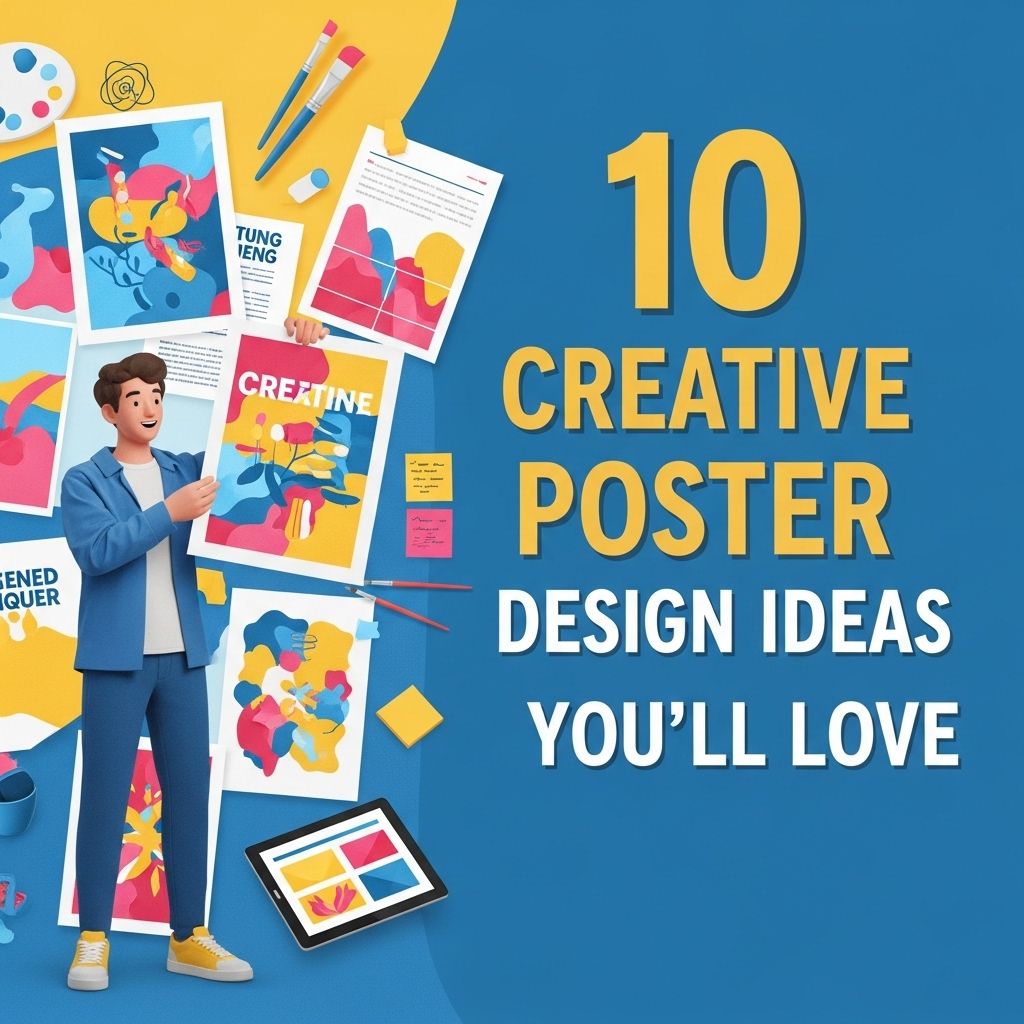
Creating an eye-catching poster can significantly enhance your message and engage your audience. In this article, we explore 10 creative poster layout ideas that will help your designs stand out in a crowd. For inspiration, see different styles of bag mockups that showcase innovative aesthetics.
1. Minimalist Design
Less is more in the world of poster design. Minimalism relies on the strategic use of space, color, and typography to create a striking visual impact.
Key Features:
- Limited color palette
- Generous white space
- Bold, simple typography
This layout is perfect for brands looking to convey elegance and simplicity. Consider using a single image with a strong focal point, coupled with concise text to deliver your message.
2. Grids and Structure
Using a grid system can help create a sense of order and flow in your poster layout. Grids allow designers to align elements neatly and maintain consistency.
Benefits of Grid Layouts:
- Improved readability
- Balanced design elements
- Visual hierarchy
Craft a poster with a structured grid layout by dividing your canvas into sections. This method can highlight different aspects of your message effectively.
3. Asymmetrical Balance
For a more dynamic feel, consider an asymmetrical layout. It allows you to break free from traditional design conventions while still achieving balance through positioning and spacing.
Visual Appeal:
This layout can create tension and draw the viewer’s eye across the poster. You might place a large graphic on one side with supporting text on the other, creating an engaging focal point.
4. Typography-Centric Design
Incorporating typography as the main design element can make a bold statement. Use different fonts, sizes, and weights to create a hierarchy and direct attention.
Effective Typographic Elements:
- Contrast in font styles
- Creative use of negative space
- Text as a visual element
Think about posters that feature quotes or messages, where the typography itself becomes a work of art.
5. Color Blocking
Color blocking is a technique that involves combining bold color areas in a way that attracts the eye. This method can create visual interest and effectively break up information.
Implementation Tips:
- Choose complementary colors
- Limit your color palette to 3-4 colors
- Use shapes to define blocks
Utilizing color blocks can enhance readability and focus on key information.
6. Infographic Style
Posters that utilize an infographic style can simplify complex information and present it in a visually appealing format. This is especially useful for educational or data-driven content.
Design Elements to Include:
- Charts and graphs
- Icons for quick reference
- Brief explanatory text
By combining visuals with minimal text, you can convey data in a way that’s easy to understand and engaging.
7. Layering Textures and Images
Layering is a technique that adds depth and richness to your designs. By overlapping images, textures, and text, you create a visually engaging experience.
Layering Tips:
- Use transparent images to allow underlying content to show through
- Experiment with patterns and textures
- Maintain readability by ensuring contrast
This method can evoke emotions and create a more immersive experience for the viewer.
8. Illustrated Elements
Incorporating custom illustrations can lend a unique and personal touch to your posters. Illustrations can help convey your brand’s personality and create a memorable visual experience.
Benefits of Illustrations:
- Originality and uniqueness
- Enhanced storytelling
- Ability to convey abstract concepts visually
Consider a poster that uses hand-drawn elements to tell a story or highlight a product, making it stand out in a crowded space.
9. Photographic Backgrounds
A striking photograph can serve as a powerful background for your poster. High-quality images can instantly grab attention and set the tone for your message.
Photography Considerations:
- Ensure high resolution for clarity
- Choose images that relate to your content
- Overlay with text and shapes for contrast
Using a photographic background can create an emotional connection with your audience while still delivering essential information.
10. Negative Space Utilization
Negative space, or the empty space around design elements, can draw attention to the important parts of your poster. It helps create breathing room and enhances the overall aesthetic.
Key Techniques:
- Identify focal points
- Use negative space to frame content
- Avoid clutter for maximum impact
Combining negative space with other elements can lead to a clean, professional look that captivates the audience.
Conclusion
Creating a poster that wows requires creativity, thoughtfulness, and an understanding of design principles. By exploring these ten layout ideas, you can craft visually stunning posters that effectively communicate your message while capturing the audience’s attention. Remember to experiment with different styles and techniques until you find the perfect combination that resonates with your brand and message.
FAQ
What are some unique poster layout ideas?
Consider using asymmetrical designs, bold typography, layered elements, or contrasting color palettes to create eye-catching posters.
How can I make my poster stand out?
Incorporate creative visuals, use white space effectively, and experiment with different shapes and sizes to draw attention.
What typography tips should I follow for posters?
Use a maximum of two or three fonts, ensure readability, and play with font sizes to create a visual hierarchy.
What color schemes work best for posters?
Opt for complementary colors, monochromatic schemes, or bold color contrasts to enhance visual appeal.
How do I choose images for my poster?
Select high-resolution images that align with your message, and consider using illustrations or graphics for a unique touch.
What is the importance of white space in poster design?
White space helps to avoid clutter, guides the viewer’s eye, and emphasizes key information in your poster.