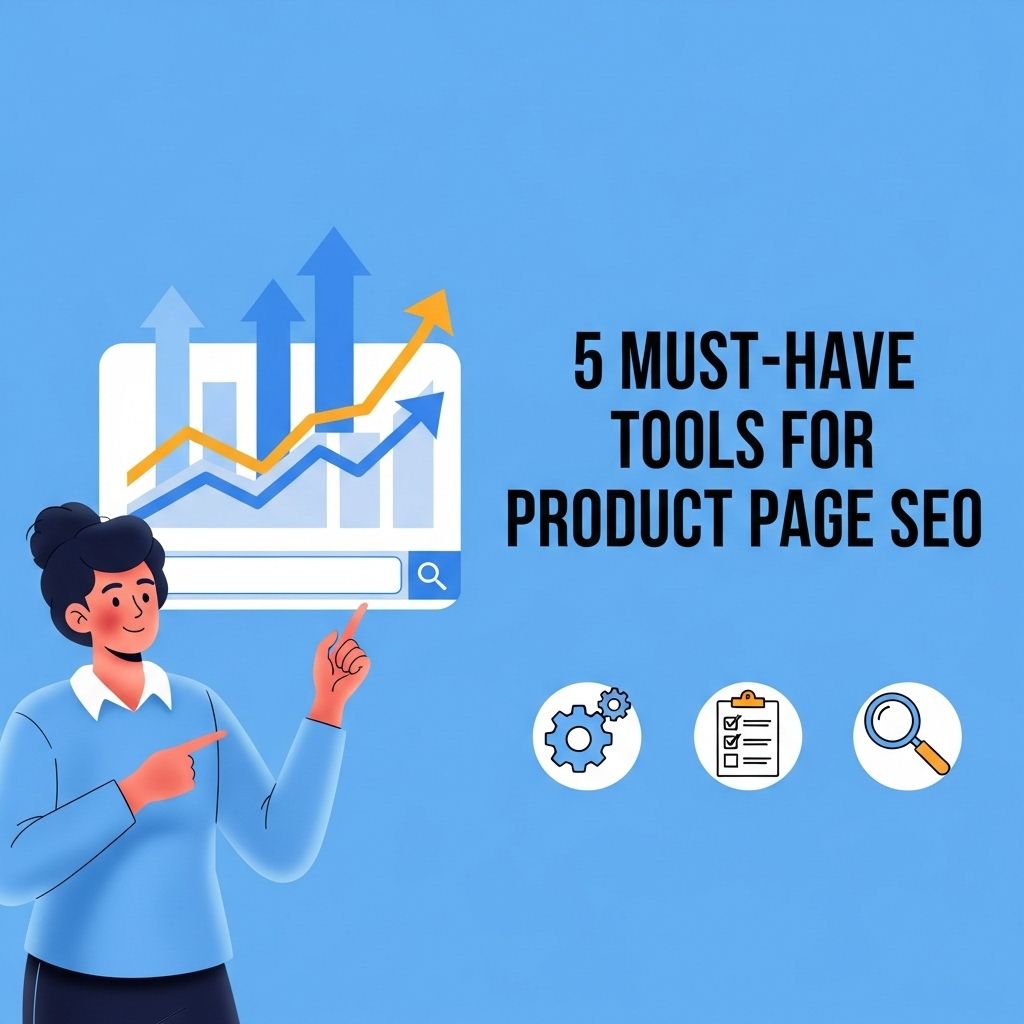
In the ever-evolving landscape of e-commerce, having an optimized product page is crucial for attracting potential customers and driving sales. With the right set of tools, you can enhance your product page’s visibility, improve its ranking on search engines, and ultimately increase conversions. Below, we delve into five essential tools that every online retailer should consider for effective product page SEO.
In the competitive landscape of e-commerce, optimizing product pages for search engines is crucial for attracting traffic and boosting conversions. Utilizing the right tools can significantly enhance your SEO efforts, ensuring that your pages rank higher and reach the intended audience. For insights on how to elevate your strategy, consider diving into best practices for website design.
1. Keyword Research Tools
Keyword research is the foundation of any successful SEO strategy. Understanding what your potential customers are searching for allows you to target the right terms on your product pages. Here are some leading keyword research tools:
- Google Keyword Planner: A free tool that helps you find keywords related to your products, along with their search volume and competition levels.
- SEMrush: A comprehensive tool that not only aids in keyword research but also provides insights into competitors’ strategies.
- Ahrefs: Known for its robust keyword analysis features, Ahrefs allows users to explore keyword difficulty and search trends over time.
2. On-Page SEO Analysis Tools
Once you’ve identified your keywords, optimizing your product pages is the next step. On-page seo tools help you analyze and improve various elements, such as meta tags, headers, and content. Notable tools include:
- Yoast SEO: This popular WordPress plugin provides real-time suggestions for improving your product page’s SEO, including readability and keyword usage.
- Moz Pro: With its on-page optimization features, Moz Pro evaluates your page elements and suggests actionable improvements.
- Surfer SEO: This tool analyzes SERP data to recommend optimal keyword density and content length based on competitors.
3. Image Optimization Tools
Product images play a significant role in user experience and SEO. Optimizing images ensures faster loading times and enhances visibility in image search results. Here are some tools to help you with image optimization:
| Tool | Description | Key Features |
|---|---|---|
| ImageOptim | A desktop application for Mac that reduces image file sizes without quality loss. | Batch processing, drag and drop functionality |
| TinyPNG | An online tool that compresses PNG and JPEG images. | Web optimization, WordPress plugin available |
| Kraken.io | Offers both a web interface and an API for image optimization. | Image resizing, analytics dashboard |
4. Technical SEO Tools
Technical SEO ensures that your website is accessible and crawlable by search engines. A well-structured website enhances user experience and boosts rankings. Essential technical SEO tools include:
- Google Search Console: A free tool that provides insights into how Googlebot sees your site, including indexing status and crawl errors.
- Screaming Frog SEO Spider: A desktop program that crawls websites to evaluate their SEO elements, including broken links, redirects, and meta descriptions.
- GTmetrix: This tool analyzes your website’s performance and provides insights on how to speed up page loading times.
5. Analytics Tools
Understanding user behavior on your product pages is vital for continuous improvement. Analytics tools provide insights into traffic sources, user engagement, and conversion rates. Here are some popular options:
- Google Analytics: A powerful, free tool that tracks website traffic and user behavior, helping you identify which product pages are performing well and which need improvements.
- Hotjar: This tool offers heatmaps and session recordings to visualize user interactions on your product pages.
- Crazy Egg: Similar to Hotjar, Crazy Egg provides heatmaps, scroll maps, and A/B testing to optimize product page layout and content.
Conclusion
Implementing the right tools for product page SEO can make a significant difference in your e-commerce success. From keyword research to analytics, each tool plays a crucial role in enhancing visibility, improving user experience, and ultimately increasing conversions. By leveraging these tools effectively, online retailers can create product pages that not only attract visitors but also convert them into loyal customers.
FAQ
What are the top tools for optimizing product page SEO?
The top tools for optimizing product page SEO include Google Search Console, SEMrush, Ahrefs, Moz, and Yoast SEO.
How does Google Search Console help with product page SEO?
Google Search Console helps you monitor your site’s performance, identify indexing issues, and understand how users find your product pages.
Why is keyword research important for product page SEO?
Keyword research is crucial for product page SEO as it helps you identify relevant terms that potential customers are searching for, allowing you to optimize content effectively.
Can I use Yoast SEO for eCommerce product pages?
Yes, Yoast SEO is highly effective for eCommerce platforms, helping you optimize product titles, descriptions, and other on-page elements.
What role does site speed play in product page SEO?
Site speed is essential for product page SEO because faster loading times improve user experience and can positively affect search engine rankings.
How can I track the performance of my product pages?
You can track the performance of your product pages using tools like Google Analytics to monitor traffic, conversions, and user behavior.