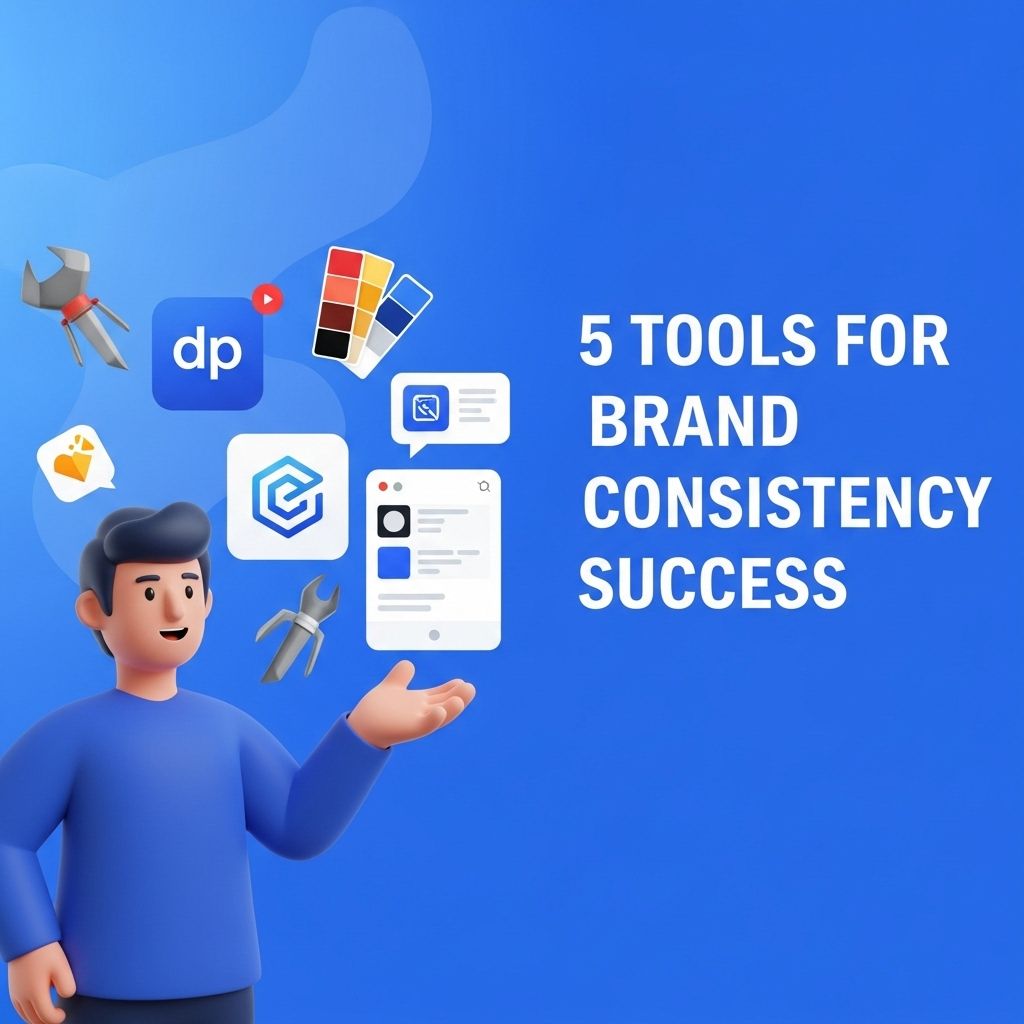
In the fast-paced world of digital marketing, maintaining brand consistency is crucial for building trust and recognition among consumers. A cohesive brand image not only enhances brand loyalty but also differentiates a business from its competitors. To achieve this, businesses can leverage various tools designed to streamline brand management. In this article, we will explore five essential tools that can significantly contribute to brand consistency success, enabling your organization to present a unified front across all platforms.
Establishing brand consistency is crucial for building trust and recognition in today’s competitive market. By leveraging five essential tools, businesses can ensure their brand messaging and visuals remain cohesive across all platforms. For inspiration, you can view premium designs that exemplify this concept.
1. Brand Guidelines Software
Establishing a set of brand guidelines is the first step toward ensuring consistency. Brand guidelines define how your brand should be represented visually and verbally.
Features to Look For:
- Customizable templates
- Accessibility for team members
- Integration with design tools
Some popular brand guidelines software includes:
| Tool | Key Features | Price |
|---|---|---|
| Frontify | Collaborative platform, customizable guidelines | Starting at $79/month |
| Bynder | Digital asset management, brand templates | Contact for pricing |
| Canva for Teams | Design templates, easy sharing | Starting at $12.99/month |
2. Digital Asset Management (DAM) Systems
Digital Asset Management systems play a vital role in storing, organizing, and sharing brand assets such as logos, images, and videos. These tools ensure that team members have access to the most up-to-date assets and can maintain consistent branding across different marketing channels.
Benefits of DAM Systems:
- Centralized storage for assets
- Version control for images and videos
- Streamlined workflows for asset approval
Some renowned DAM systems include:
| Tool | Unique Selling Proposition | Price |
|---|---|---|
| Widen | Robust analytics and reporting | Contact for pricing |
| Brandfolder | User-friendly interface, easy sharing | Starting at $49/month |
| Cloudinary | Image optimization and transformation | Free tier available, paid plans vary |
3. Social Media Management Tools
Social media is a key platform where brand consistency is essential. Using a social media management tool can help you maintain a consistent voice and aesthetic across all channels. These tools allow you to schedule posts, analyze performance, and engage with your audience effectively.
Must-Have Features:
- Post scheduling and automation
- Analytics for performance tracking
- Collaboration features for team management
Leading social media management tools include:
| Tool | Strengths | Price |
|---|---|---|
| Hootsuite | Comprehensive analytics, supports multiple platforms | Starting at $19/month |
| Buffer | Simplicity and ease of use | Starting at $15/month |
| Sprout Social | In-depth analytics and reporting | Starting at $89/month |
4. Content Creation Tools
Consistent messaging is just as important as visual branding. Content creation tools can help your team maintain a consistent tone and style while producing high-quality content for various platforms. These tools often include writing assistants, design editors, and collaboration features.
Examples of Effective Content Creation Tools:
- Grammarly: Helps ensure grammatical accuracy and tone consistency.
- CoSchedule Headline Analyzer: Provides insights on crafting compelling headlines.
- Adobe Spark: Allows non-designers to create stunning graphics quickly.
5. Project Management Platforms
To ensure that everyone on your team is aligned with the brand’s vision and goals, project management platforms are essential. They help manage tasks related to brand development and monitor progress, ensuring that all activities align with brand guidelines.
Key Features:
- Task assignment and tracking
- Collaboration and communication tools
- Timeline tracking for projects
Some widely-used project management platforms include:
| Tool | Main Features | Price |
|---|---|---|
| Trello | Visual task management with boards | Free, premium plans start at $12.50/month |
| Asana | Task dependencies and timelines | Free for basic, starting at $10.99/month |
| Monday.com | Customizable workflows and automation | Starting at $8/month |
Conclusion
In today’s digital landscape, brand consistency is not just a nice-to-have; it’s essential for long-term success. By utilizing the right tools, businesses can create a cohesive brand image that resonates with their audience, fosters trust, and ultimately drives sales. Each of the tools discussed in this article offers unique features that can cater to different aspects of brand management. Implementing a combination of these tools can provide a robust framework for ensuring that your brand remains consistent across all channels.
FAQ
What are the best tools for ensuring brand consistency?
Some of the top tools for brand consistency include Canva for design, Brandfolder for asset management, Sprout Social for social media management, HubSpot for content marketing, and CoSchedule for editorial planning.
Why is brand consistency important for businesses?
Brand consistency helps build trust and recognition among customers, enhances brand loyalty, and ensures that your messaging is clear and cohesive across all platforms.
How can I measure brand consistency?
You can measure brand consistency by analyzing customer feedback, monitoring brand mentions across social media, tracking engagement metrics, and conducting surveys to gauge brand perception.
What role does visual identity play in brand consistency?
Visual identity, including logos, color schemes, and typography, plays a crucial role in brand consistency by creating a recognizable and cohesive image that resonates with your audience.
Can brand guidelines improve brand consistency?
Yes, brand guidelines provide a framework for how your brand should be represented across various channels, ensuring that all team members and partners adhere to the same standards.
How often should I update my brand assets?
It’s recommended to review and update your brand assets at least annually or whenever there are significant changes to your brand strategy, products, or target audience.