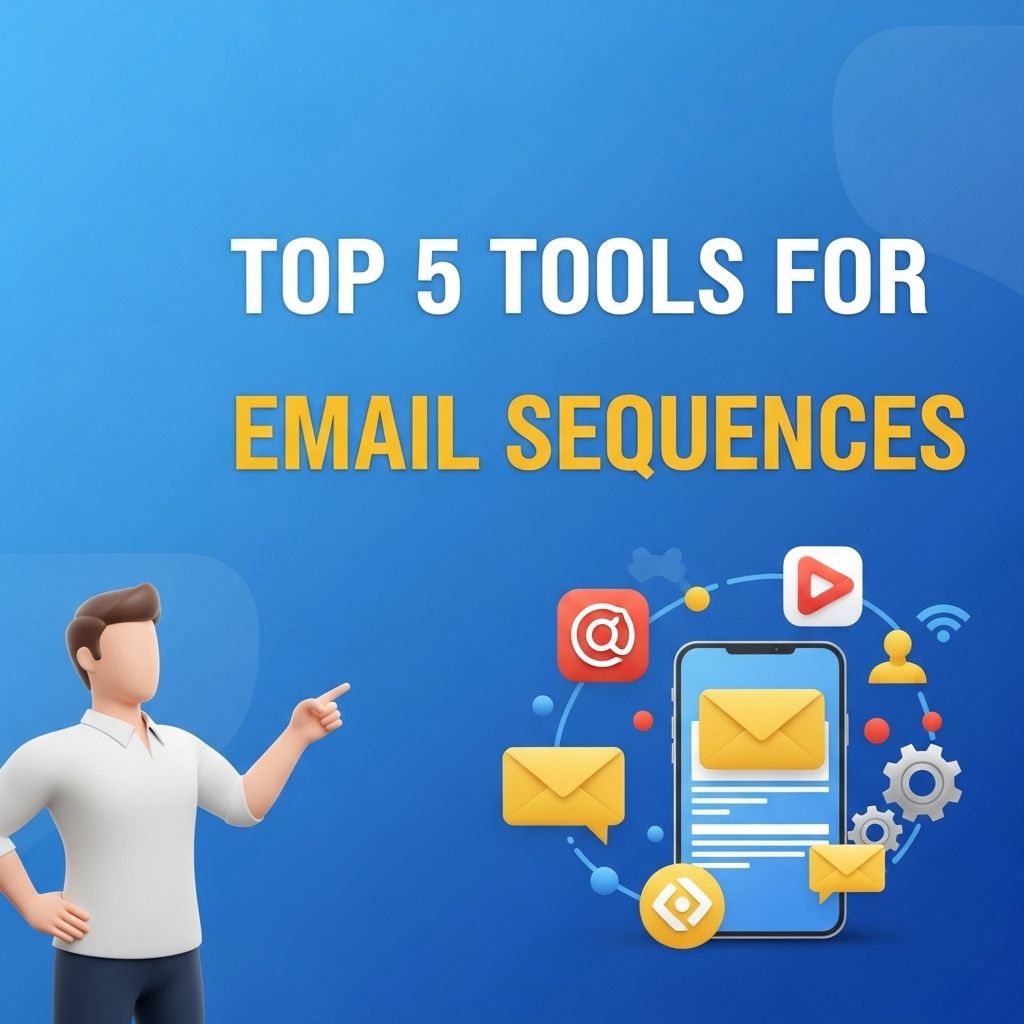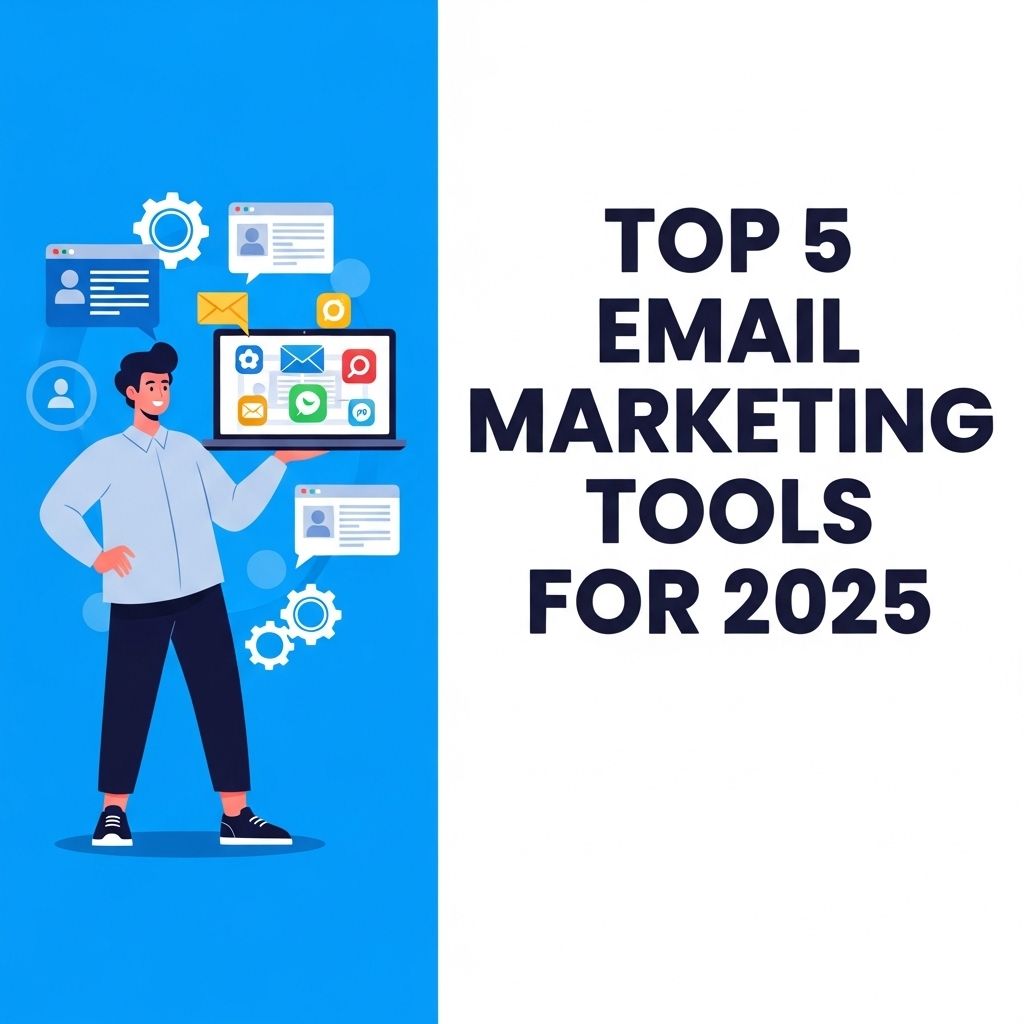
In the fast-evolving landscape of digital marketing, email remains a powerful tool for communication and engagement. As we move into 2025, businesses are seeking innovative solutions to enhance their email marketing strategies. The right tools can streamline campaign management, optimize messaging, and analyze performance effectively. This article delves into the top five email marketing tools that are set to dominate the market in 2025, empowering marketers to achieve their goals.
As businesses increasingly rely on digital communication, selecting the right email marketing tool becomes essential. In 2025, innovative platforms will emerge to help marketers optimize engagement and analytics. Explore the top 5 email marketing tools designed to enhance your strategy and keep pace with trends in web design.
1. Mailchimp
Mailchimp has long been a stalwart in the email marketing arena, and its continuous innovations make it a top contender for 2025. Known for its user-friendly interface and robust features, Mailchimp is ideal for businesses of all sizes.
Key Features:
- Automation: Create automated workflows that nurture leads and engage customers based on their behaviors.
- Segmentation: Advanced segmentation allows for targeted campaigns, increasing relevance and engagement.
- A/B Testing: Easily test different subject lines, content, and send times to optimize performance.
Pricing:
| Plan | Monthly Cost | Features |
|---|---|---|
| Free | $0 | Up to 500 contacts, basic templates |
| Essentials | $11 | Up to 50,000 contacts, A/B testing, custom branding |
| Standard | $17 | All Essentials features plus advanced automation |
2. HubSpot
HubSpot is renowned for its comprehensive marketing solutions, and its email marketing tool is no exception. It integrates seamlessly with other HubSpot features, making it a go-to for inbound marketing strategies.
Key Features:
- CRM Integration: Leverage customer relationship management to send personalized emails based on customer interactions.
- Dynamic Content: Use dynamic content blocks to tailor messages for individual recipients.
- Comprehensive Analytics: Gain insights into email performance and user engagement metrics.
Pricing:
HubSpot offers a free tier with limited features, while advanced capabilities are available in paid plans starting at $45/month.
3. ActiveCampaign
ActiveCampaign has gained popularity due to its powerful automation capabilities and deep integration with CRM systems. This tool is designed for marketers who want to harness the power of automation to enhance customer experiences.
Key Features:
- Advanced Automation: Create complex automated workflows that can trigger based on user behavior and engagement.
- CRM Features: Built-in CRM allows for better tracking of customer interactions and sales opportunities.
- Lead Scoring: Identify high-value leads based on their engagement with your emails.
Pricing:
| Plan | Monthly Cost | Features |
|---|---|---|
| Lite | $9 | Basic automation, unlimited email sending |
| Plus | $49 | Advanced automation, CRM integration |
| Professional | $149 | All Plus features plus predictive sending |
4. Constant Contact
Constant Contact is well-known for its exceptional customer support and ease of use. It caters primarily to small businesses and offers a variety of templates and features designed to help users create effective email campaigns.
Key Features:
- Event Marketing: Manage and promote events with email invitations and RSVP functionality.
- List Segmentation: Segment lists to deliver targeted messages to specific audiences.
- Social Media Integration: Share campaigns across social media platforms to enhance reach.
Pricing:
Plans start at $20/month, with a free trial available for new users.
5. GetResponse
GetResponse is a comprehensive marketing platform that combines email marketing with landing page creation and webinar hosting. This makes it a valuable tool for marketers looking to drive conversions.
Key Features:
- Landing Pages: Create high-converting landing pages to complement email campaigns.
- Webinars: Host webinars directly from the platform to engage audiences.
- Visitor Tracking: Monitor website visitors and tailor email campaigns accordingly.
Pricing:
| Plan | Monthly Cost | Features |
|---|---|---|
| Basic | $15 | Basic email marketing features |
| Plus | $49 | Includes automation, landing pages |
| Professional | $99 | All Plus features plus webinar capabilities |
Conclusion
As email marketing continues to evolve, the tools that support it are becoming more advanced and user-friendly. Choosing the right email marketing platform in 2025 will depend on your specific needs, whether it’s automation, integration with other tools, or comprehensive analytics. By leveraging the power of these top five email marketing tools, businesses can create engaging campaigns that resonate with their audiences and drive results.
FAQ
What are the top email marketing tools for 2025?
The top email marketing tools for 2025 include Mailchimp, HubSpot, ActiveCampaign, Constant Contact, and SendinBlue, each offering unique features to enhance your email campaigns.
How do I choose the right email marketing tool for my business?
Choosing the right email marketing tool involves evaluating your budget, required features, user interface, customer support, and integration capabilities with other platforms.
Are there any free email marketing tools available in 2025?
Yes, several email marketing tools like Mailchimp and SendinBlue offer free plans with limited features, making them accessible for small businesses and startups.
What features should I look for in an email marketing tool?
Key features to look for in an email marketing tool include automation capabilities, analytics and reporting, customizable templates, list segmentation, and A/B testing options.
Can I integrate email marketing tools with my e-commerce platform?
Most leading email marketing tools can be integrated with popular e-commerce platforms like Shopify, WooCommerce, and BigCommerce to streamline customer engagement and sales.
How important is email marketing in 2025?
Email marketing remains crucial in 2025 as it offers a direct line of communication with customers and delivers a high ROI, making it an essential component of digital marketing strategies.