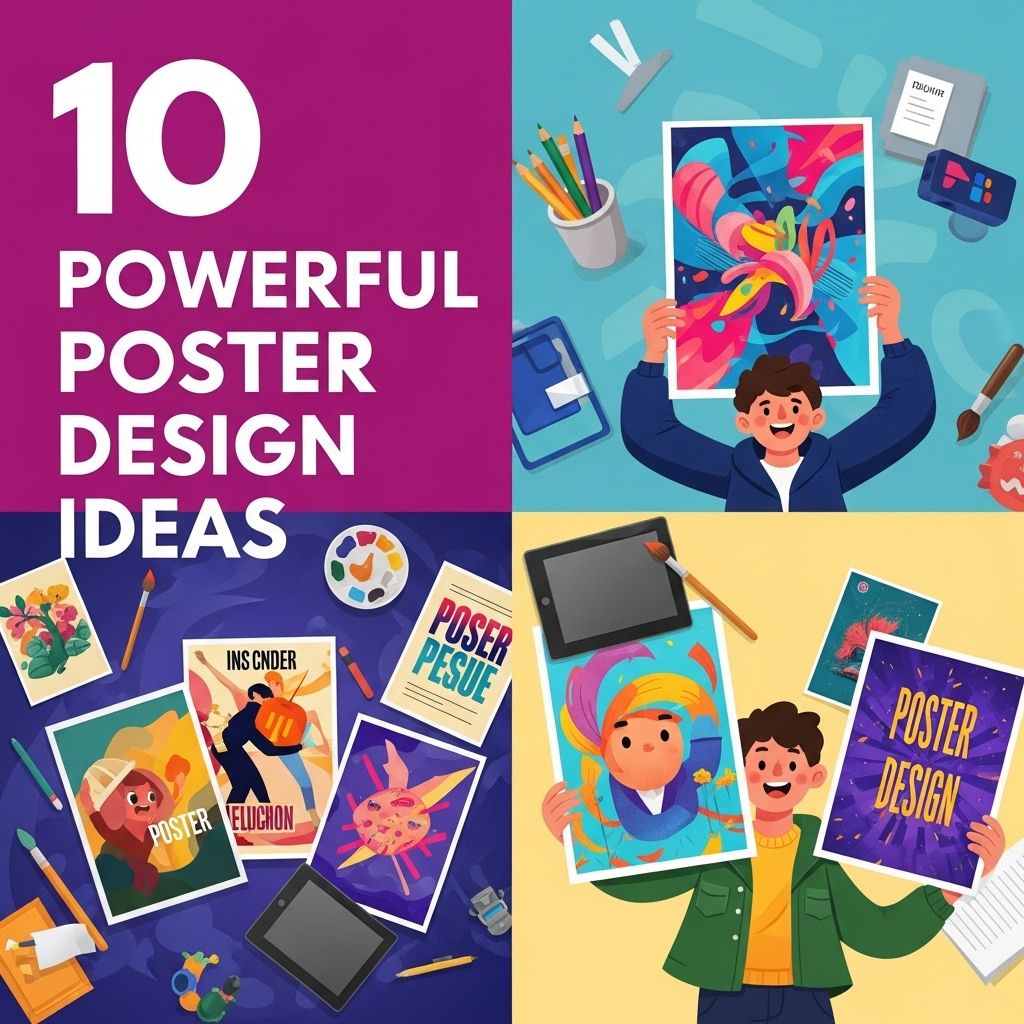
Creating compelling posters is an art form that combines creativity, design skills, and effective communication. In a world inundated with visual stimuli, standing out is more crucial than ever. Whether you’re promoting an event, a brand, or a social cause, a well-designed poster can capture attention and leave a lasting impression. In this article, we’ll explore ten powerful poster design ideas that can elevate your graphic design game and help convey your message effectively.
Designing an eye-catching poster can be a game-changer for your creative projects. In this article, we’ll explore 10 powerful poster design ideas that will inspire your creativity and help your work stand out. Plus, if you’re looking for a great way to showcase your designs, don’t forget to download mug mockups for free.
Understanding the Basics of Poster Design
Before diving into specific design ideas, it’s essential to grasp the fundamental principles of poster design. The key elements to consider include:
- Composition: The arrangement of visual elements should lead the viewer’s eye through the design.
- Color Theory: Colors evoke emotions and can be used strategically to enhance the message.
- Typography: Selecting the right fonts can significantly impact readability and branding.
- Imagery: High-quality images or graphics can draw attention and support the message.
1. Minimalist Design
Minimalism is a design approach that emphasizes simplicity and clarity. Here’s how to implement a minimalist style:
- Use a limited color palette.
- Incorporate plenty of white space.
- Focus on one or two key messages.
Example Elements of Minimalist Design:
| Element | Description |
|---|---|
| Color | Two or three complementary colors |
| Font | Sans-serif typefaces for clarity |
| Images | Simple line art or icons |
2. Typographic Posters
Emphasizing typography can create striking visuals without relying heavily on images. Consider these tips:
- Use large, bold fonts to create a focal point.
- Experiment with font pairing for visual interest.
- Incorporate varied text sizes to create a hierarchy.
Design Considerations:
- Maintain readability from a distance.
- Utilize contrasting colors between text and background.
- Add texture or patterns to text for depth.
3. Illustrated Posters
Custom illustrations can add a unique flair to your poster. Here’s how to effectively use illustrations:
- Commission an artist for bespoke graphics.
- Integrate illustrations that resonate with your target audience.
- Merge text and illustrations seamlessly for a cohesive design.
4. Vintage Style Posters
Retro designs can evoke nostalgia and attract attention. To create a vintage-style poster:
- Use muted color palettes reminiscent of past eras.
- Select vintage-inspired fonts that reflect the theme.
- Incorporate textures to enhance the aged look.
Popular Vintage Aesthetics:
- Art Deco: Bold geometric designs and luxurious colors.
- Mid-century Modern: Clean lines and organic forms.
- Grunge: Distressed textures and faded colors.
5. Photographic Posters
High-quality photography can convey powerful messages. When using photographs in your design:
- Choose images that are emotionally charged and relevant.
- Utilize overlays to add text without obscuring the image.
- Maintain a cohesive color scheme that complements the photo.
6. Geometric Designs
Geometric shapes and patterns can create visually striking designs. To incorporate geometry into your posters:
- Use grids to align elements for a structured layout.
- Experiment with overlapping shapes for depth.
- Combine sharp angles with soft curves for balance.
7. Interactive Posters
With technology at our fingertips, interactive posters can engage audiences in innovative ways. Consider these elements:
- Incorporate QR codes for additional information.
- Include augmented reality features for immersive experiences.
- Utilize sound or light elements that respond to audience interaction.
8. Bold Color Palettes
Vibrant colors can energize your design and draw attention. Tips for using bold colors:
- Limit the palette to three to five colors for harmony.
- Utilize contrasting colors to enhance readability.
- Consider color psychology to evoke the desired response.
Color Psychology Chart:
| Color | Psychological Effect |
|---|---|
| Red | Passion, urgency |
| Blue | Trust, calm |
| Yellow | Optimism, energy |
| Green | Growth, nature |
9. Layered Textures
Adding textures to your poster design can add depth and intrigue. Here’s how to utilize textures:
- Incorporate fabric, wood, or paper textures as backgrounds.
- Layer digital textures with typography for a richer look.
- Maintain balance to avoid overwhelming the viewer.
10. Storytelling Through Design
Your poster can tell a story visually. To achieve this:
- Identify the central narrative you want to convey.
- Use imagery and text to guide the audience through the story.
- Consider the emotional journey from start to finish.
By implementing these design ideas, you can create posters that not only capture attention but also effectively communicate your intended message. Remember that experimentation is key—don’t be afraid to push boundaries and explore new styles. A powerful poster can make a difference in how your message is perceived and remembered.
FAQ
What are some effective poster design ideas?
Some powerful poster design ideas include using bold typography, incorporating high-quality images, utilizing contrasting colors, creating a focal point, and employing minimalistic designs.
How can I make my poster stand out?
To make your poster stand out, consider using unique layouts, eye-catching graphics, and engaging headlines. Experiment with textures and patterns to add depth.
What color schemes work best for poster designs?
Bright and contrasting color schemes often work best for poster designs, as they attract attention. Complementary colors can also create a visually appealing effect.
Should I use images or illustrations for my poster?
Both images and illustrations can be effective; it depends on your message. Images are great for realism, while illustrations can convey creativity and a unique style.
What are the key elements of a successful poster?
Key elements of a successful poster include a clear message, strong visuals, a balanced layout, and relevant information that is easy to read from a distance.
How important is typography in poster design?
Typography is crucial in poster design as it conveys the tone of the message. Choosing the right fonts and pairing them effectively can enhance readability and impact.