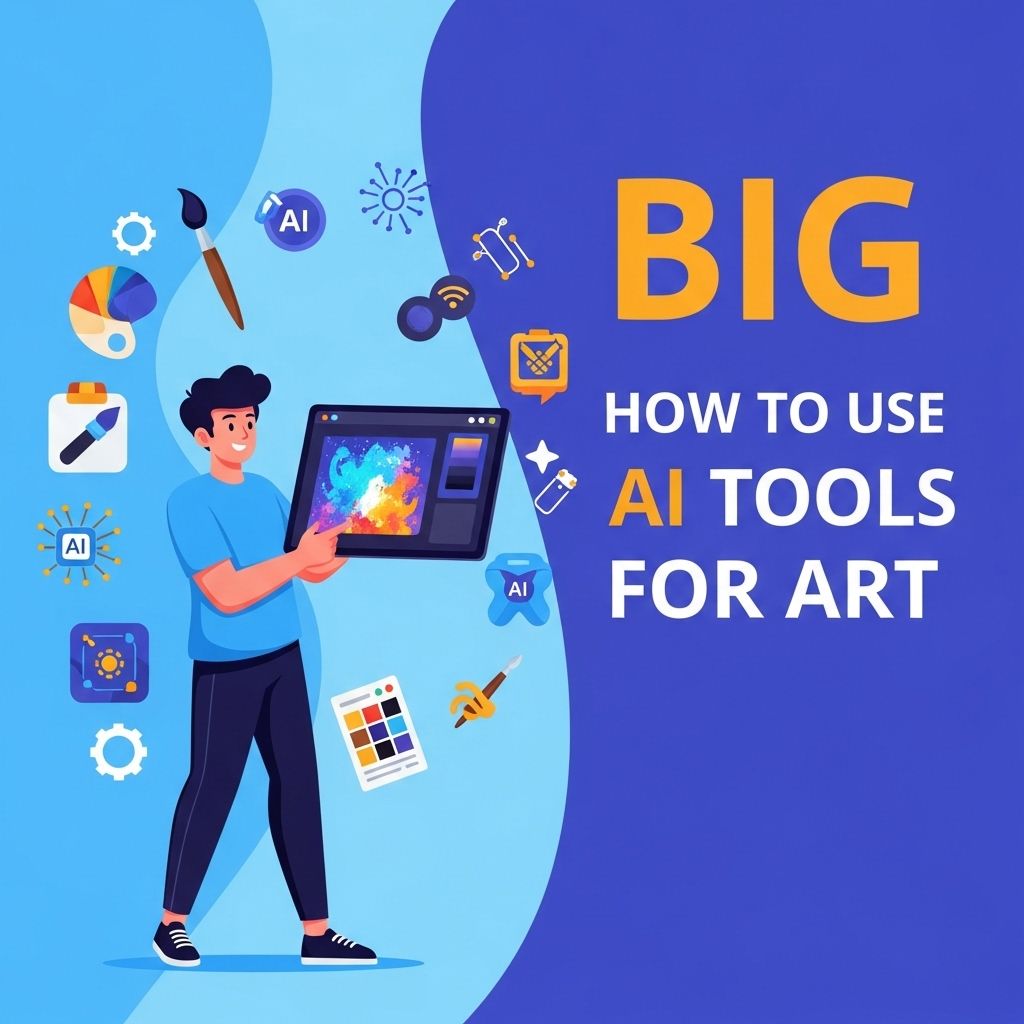
The integration of artificial intelligence (AI) into the art world has revolutionized the way artists create, inspire, and interact with their work. Leveraging AI tools not only enhances creativity but also opens up a myriad of possibilities for both seasoned artists and beginners. This article explores various AI tools available for art, how to effectively use them, and the transformative impact these technologies can have on creative expression.
Unlocking creativity in art has never been easier, thanks to the innovative tools provided by AI. These technologies empower artists to push boundaries and explore new dimensions in their work, allowing for unique expressions that were once unimaginable. To kickstart your creative journey, you can Find the perfect model for your project.
Understanding AI in the Art World
AI in art refers to the use of algorithms and machine learning to create, analyze, or enhance artworks. This technology is not merely a tool but a collaborative partner that can influence artistic outcomes and push the boundaries of creativity.
The Rise of AI Art
In recent years, AI-generated art has gained significant attention, leading to discussions about authorship, creativity, and the future of art. AI tools can generate unique pieces, assist in the creative process, or help artists refine their visions.
Popular AI Tools for Artists
1. DeepArt
DeepArt uses neural networks to turn photos into artworks in the style of famous painters. Users can upload an image and choose a style to create a unique piece of art.
2. Runway ML
Runway ML provides a suite of AI tools for artists, including image generation, video editing, and real-time collaboration. It’s particularly useful for creators looking to integrate AI into multimedia projects.
3. DALL-E
DALL-E, developed by OpenAI, generates images from textual descriptions. This tool allows artists to visualize abstract concepts and create art based on narrative prompts.
4. Artbreeder
Artbreeder combines images using machine learning to create new artworks. Users can manipulate various parameters, creating countless variations of an image.
Step-by-Step Guide to Getting Started with AI Art Tools
Step 1: Choose Your Tool
Start by selecting an AI tool that aligns with your artistic goals. Consider the following:
- Type of artwork: Are you creating digital paintings, illustrations, or multimedia art?
- Desired features: Do you need style transfer, image generation, or collaborative tools?
- User interface: Is the tool user-friendly for your skill level?
Step 2: Explore Tutorials and Resources
Most AI tools provide tutorials, guides, and community forums. Familiarize yourself with the features and capabilities of the tool:
- Watch official tutorials on the tool’s website.
- Join online communities or forums to see how others use the tools.
- Experiment with different features to understand their functionality.
Step 3: Start Creating
Begin your artistic journey by experimenting with the tool:
- Upload or create a base image to work from.
- Select styles, filters, or parameters to explore different outcomes.
- Iterate on your design, making adjustments based on your preferences.
Enhancing Your Artistic Process with AI
AI tools can significantly enhance your artistic workflow. Here are some ways to incorporate them into your projects:
1. Idea Generation
Use AI to brainstorm concepts and visualize ideas before committing them to a final piece. Tools like DALL-E allow you to generate a variety of interpretations of your ideas quickly.
2. Style Transfer
Transform your photographs or sketches into different artistic styles using neural networks. This can inspire new directions for your artwork.
3. Collaboration
Consider collaborating with AI as a co-creator rather than a tool. This approach can yield unexpected and unique results, challenging traditional notions of authorship.
The Ethical Implications of AI in Art
As AI continues to influence the art world, several ethical considerations emerge:
1. Authorship and Ownership
Who owns the rights to an artwork created by AI? This question remains a topic of debate among artists, collectors, and legal experts.
2. Authenticity
As AI-generated art becomes more prevalent, discerning between human-made and AI-generated pieces may challenge traditional notions of authenticity.
3. Inclusivity
While AI can democratize art creation, it may also reinforce existing biases if the algorithms are not designed inclusively. Artists and developers must work together to ensure diverse representation in data sets.
Future Trends in AI Art
The future of AI in art is promising, with several trends on the horizon:
| Trend | Description |
|---|---|
| Improved Algorithms | Advancements in AI algorithms will continue to enhance the quality and diversity of generated art. |
| Interactive AI Art | Emerging technologies will enable interactive art experiences that respond to viewer input. |
| Personalized Art | AI tools will allow for art that is tailored to individual preferences and tastes. |
Conclusion
The fusion of AI and art presents a revolutionary opportunity for artists to explore new creative avenues. By embracing AI tools, artists can unlock innovative possibilities that were once unimaginable. As technology continues to evolve, those who adapt and experiment with these tools will find themselves at the forefront of the next artistic movement.
FAQ
What are AI tools for art creation?
AI tools for art creation are software or applications that utilize artificial intelligence to assist artists in generating visual content, enhancing creativity, or automating certain artistic processes.
Can AI tools help improve my art skills?
Yes, AI tools can provide feedback, suggest improvements, and offer tutorials, helping artists of all skill levels to enhance their techniques and develop their style.
What types of art can I create using AI tools?
You can create various types of art using AI tools, including digital paintings, illustrations, animations, and even 3D models.
Are AI-generated artworks considered original?
The originality of AI-generated artworks can be debated, as they are often based on algorithms and existing styles, but they can still represent unique creations depending on the input and parameters defined by the artist.
Do I need coding skills to use AI art tools?
No, many AI art tools are user-friendly and designed for artists without any coding skills, allowing you to focus on creativity rather than technical details.
How can I incorporate AI tools into my artistic workflow?
You can incorporate AI tools into your artistic workflow by using them for brainstorming ideas, generating initial drafts, or enhancing existing artworks through various filters and styles.