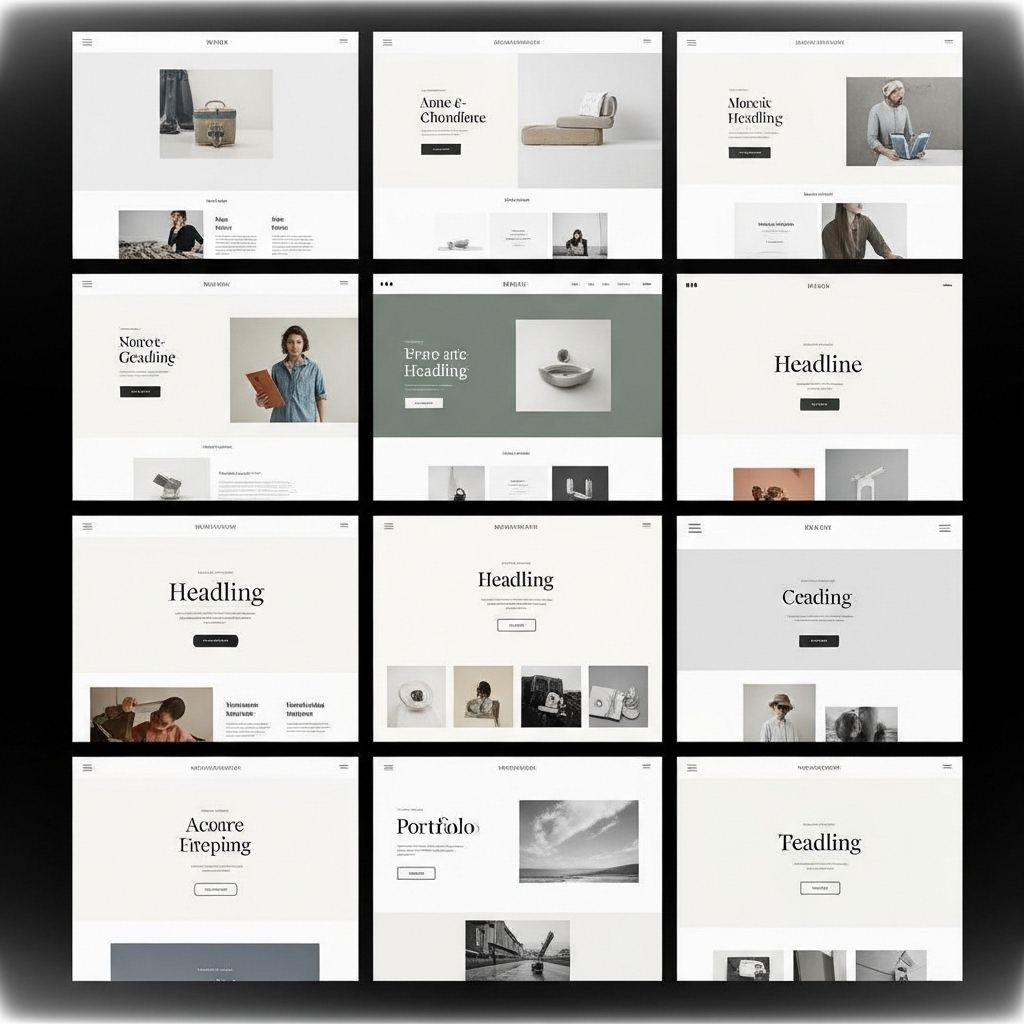
In an age where complexity often reigns supreme in web design, the allure of minimalism stands out. Minimal website design strips away unnecessary elements to create a clean, user-friendly experience. This approach not only enhances aesthetics but also improves usability and accessibility. In this article, we’ll explore ten outstanding examples of minimal website designs that encapsulate the essence of simplicity while delivering a powerful message.
Minimal website design emphasizes simplicity and functionality, making it easier for users to navigate and engage. In this article, we showcase 10 inspiring minimal website design examples that highlight the beauty of simplicity. For those interested in creating stunning websites, these designs offer valuable insights into effective aesthetics and user experience.
Why Choose Minimal Design?
Minimal web design focuses on the essentials, promoting clarity and enhancing user engagement. Here are some key benefits:
- Improved Load Times: Fewer elements mean quicker page loads, which is critical for user retention.
- Enhanced User Experience: A clean layout allows users to find information more efficiently.
- Greater Focus on Content: Users are less distracted, allowing for better content absorption.
- Responsive Design: Minimal designs typically adapt better across various devices.
1. Apple
Apple’s website is a quintessential example of minimalism in action. The clean lines, ample white space, and stunning visuals immediately draw the user’s attention to their products. By using a simple navigation structure and large imagery, Apple ensures that users can easily explore their offerings without distraction.
Key Features:
- Bold, high-resolution images
- Intuitive navigation
- Strategic use of white space
2. Dropbox
Dropbox’s website showcases its functionality without overwhelming visitors. The use of straightforward typography and ample spacing creates a sense of professionalism. Their call-to-action buttons are prominent, which encourages user interaction without feeling pushy.
Key Features:
- Simple color palette
- Clear calls to action
- Minimal text with impactful messaging
3. Squarespace
As a website builder, Squarespace’s own site serves as an excellent demonstration of minimal design principles. Each section of the website highlights different template designs with barely any distraction. The seamless flow between sections invites users to explore further.
Key Features:
- Beautiful layout examples
- Engaging visuals
- Direct navigation paths
4. Evernote
Evernote employs a minimal design to make its productivity tools feel accessible and easy to navigate. The emphasis on bright colors against a clean background captures attention while communicating functionality succinctly.
Key Features:
- Effective use of color
- Concise messaging
- User-centric layout
5. Google
Google’s homepage is a classic example of minimalism. The simple search bar and logo are the only elements users encounter, showcasing the purpose of the website without distraction. This design choice has made it one of the most recognizable web pages globally.
Key Features:
- Focus on functionality
- Instant access to services
- Consistent user experience
6. Asana
Asana’s website features a clean aesthetic with a balance of images and text. Their use of ample white space allows users to focus on product features without feeling overwhelmed.
Key Features:
- Visual hierarchy of information
- Interactive elements
- Engaging product illustrations
7. Basecamp
Basecamp’s site utilizes minimalism effectively to convey its project management offerings. By showcasing testimonials and use cases prominently while maintaining a clean layout, they build trust with potential users.
Key Features:
- Strong value proposition
- Clear case studies
- Efficient use of color and typography
8. Medium
Medium combines minimal design with rich content, allowing users to focus on reading without unnecessary distractions. Their layout emphasizes articles and authors while providing an aesthetically pleasing reading experience.
Key Features:
- Text-focused layout
- Minimal visual clutter
- Adaptive content display
9. Airbnb
Airbnb’s website balances minimalism with functionality, emphasizing stunning visuals of properties. The clean navigation helps users effortlessly browse options, enhancing the overall user experience.
Key Features:
- High-quality imagery
- Straightforward booking interface
- Clear categorization of listings
10. Trello
Trello’s website adopts a minimal approach to promote its project management tools. The emphasis on user interaction helps visitors understand the product’s capabilities without overwhelming them with information.
Key Features:
- User-friendly design
- Interactive product tours
- Focused messaging
Conclusion
Minimal website design goes beyond aesthetics; it creates an engaging and user-friendly experience. The examples highlighted in this article demonstrate that simplicity can effectively communicate a message and enhance usability. As you consider your own web design, remember that less can often be more, leading to greater user satisfaction and engagement.
FAQ
What is minimal website design?
Minimal website design focuses on simplicity and functionality, using fewer elements to create a clean and efficient user experience.
Why should I choose a minimal design for my website?
A minimal design enhances user engagement, improves loading times, and allows visitors to focus on your content without distractions.
What are the key elements of minimal web design?
Key elements include ample white space, a limited color palette, simple typography, and a focus on essential content.
Can minimal design be used for all types of websites?
Yes, minimal design can be adapted for various types of websites, including portfolios, blogs, and e-commerce sites, while maintaining functionality.
How can I implement minimal design principles on my website?
Start by prioritizing content, reducing clutter, using high-quality images, and choosing a simple navigation structure to enhance the user experience.
Are there any drawbacks to minimal website design?
While minimal design promotes clarity, it may not suit every brand or project, especially those that require elaborate visuals or detailed information.