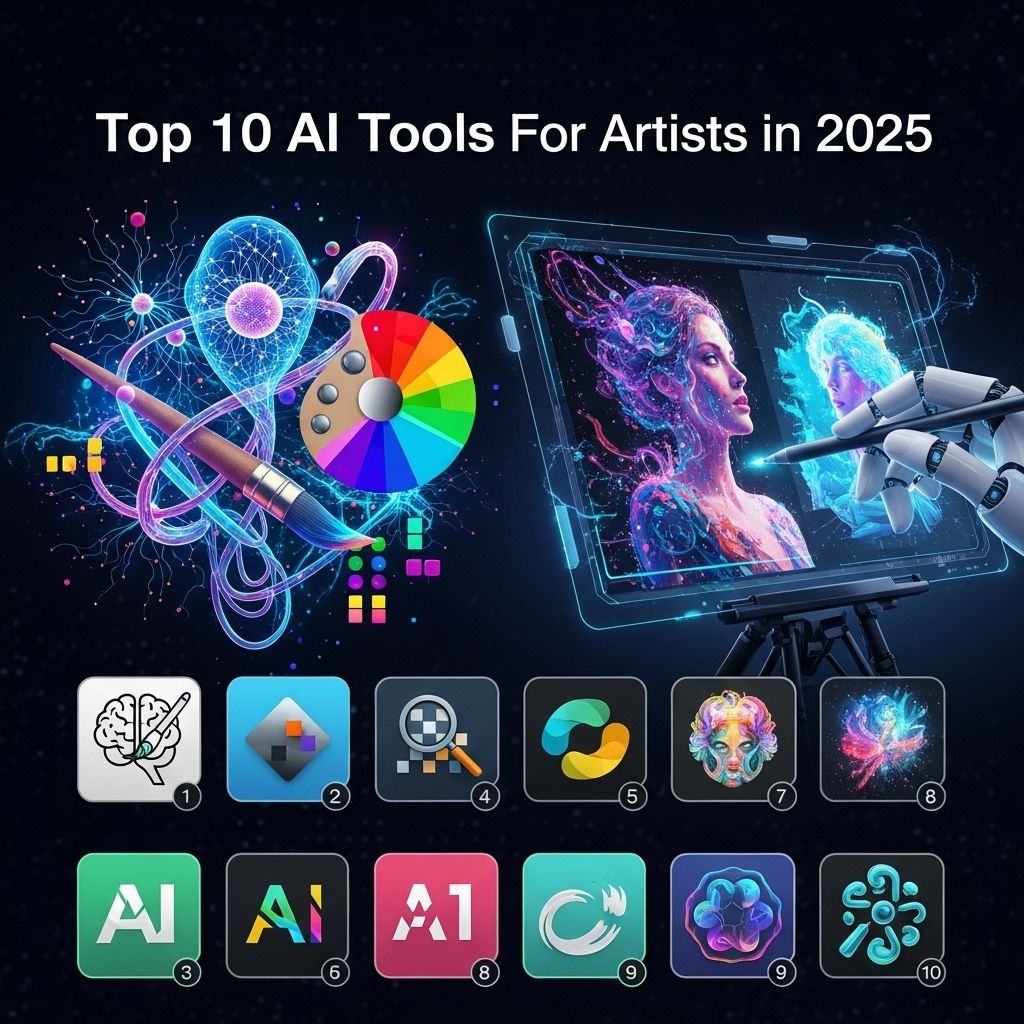
The intersection of art and technology continues to blossom, particularly with advancements in artificial intelligence. As we look ahead to 2025, artists are increasingly turning to AI tools that not only enhance their creative processes but also redefine how art is conceptualized and produced. From generating stunning visuals to streamlining workflows, here are ten AI tools poised to empower artists in the near future.
As we approach 2025, the landscape of AI tools for artists is rapidly evolving, offering innovative solutions that enhance creativity and streamline workflows. From generative design software to smart collaboration platforms, these tools are reshaping how art is conceptualized and produced. For a deeper dive into tools that can elevate your artistic journey, Browse popular model categories and discover the latest advancements.
1. DeepArt
DeepArt utilizes neural networks to transform photographs into astonishing works of art. By analyzing different styles, this tool allows artists to apply unique artistic effects to their images. Its capabilities include:
- Style transfer techniques that mimic famous artists.
- Customization options for fine-tuning the intensity of effects.
- High-resolution outputs suitable for printing.
Usage Scenarios
DeepArt can be particularly beneficial for:
- Graphic designers looking to create unique backgrounds.
- Photographers wanting to give their work an artistic flair.
- Digital artists seeking inspiration from new styles.
2. Runway ML
Runway ML offers a suite of AI-powered tools for artists and creators. Its platform allows for easy integration of machine learning into creative projects, enabling functionalities like video effects and real-time collaboration.
Key Features
Notable features include:
| Feature | Description |
|---|---|
| Real-time Video Editing | Apply AI filters and effects as you edit your footage. |
| Text-to-Image Generation | Create visuals from descriptive text inputs. |
| Collaboration Tools | Work with fellow artists in real-time. |
3. Artbreeder
Artbreeder combines genetics and art, allowing users to blend images and create variations using GANs (Generative Adversarial Networks). Artists can explore endless creative possibilities by mixing attributes from multiple images.
How It Works
Artists can:
- Generate faces, landscapes, and abstract art by adjusting sliders.
- Collaborate with other users to refine their creations.
- Download and share their artwork across various platforms.
4. DALL-E 3
DALL-E 3 is the most recent iteration of OpenAI’s powerful image generation model. It can create highly detailed images from textual descriptions, providing a new avenue for conceptual art creation.
Applications
Artists can leverage DALL-E 3 for:
- Concept art creation for gaming or film projects.
- Visual storytelling by generating unique images for narratives.
- Exploring visual variations for product design.
5. Adobe Sensei
Adobe Sensei brings AI capabilities to Adobe’s suite of creative tools. It enhances productivity by automating mundane tasks and offering intelligent features.
Innovative Features
Some key offerings include:
- Content-aware fill and auto-masking in Photoshop.
- Smart tagging in Lightroom for efficient photo organization.
- Enhanced video editing features in Premiere Pro.
6. PaintsChainer
PaintsChainer is an AI-powered coloring tool designed for artists who want to quickly visualize their sketches in color. It intelligently applies colors based on user inputs or suggestions.
Benefits
Reasons to consider using PaintsChainer include:
- Fast color application, saving time during the coloring process.
- Ability to experiment with different color schemes effortlessly.
- Outputting high-resolution results for printing.
7. ChatGPT for Creative Writing
Artists aren’t just visual creators; writers also play a crucial role in storytelling. ChatGPT offers writers AI-driven assistance for generating ideas, plots, or even dialogues.
How It Enhances Creativity
Key advantages include:
- Brainstorming assistance for overcoming writer’s block.
- Generating character backgrounds or world-building elements.
- Providing variations on existing ideas for deeper exploration.
8. MagicaVoxel
MagicaVoxel is a free voxel modeling tool that allows artists to create 3D art easily. It has integrated features for rendering and animation, enabling the production of intricate voxel art.
Key Features
Some of the standout features are:
- Simple interface suitable for beginners.
- Capability to create detailed models with lighting effects.
- Export options for integrating models into game engines.
9. Canva with AI Integration
Canva has evolved into a versatile design platform, and its recent AI integrations allow users to create stunning graphics easily. The AI features streamline the design process by offering tailored suggestions.
Advantages of Using Canva
Benefits include:
- Templates and design elements suitable for various projects.
- AI-driven design suggestions based on user preferences.
- Easy sharing and collaboration options for teams.
10. Neural.love
Neural.love harnesses the power of AI to generate art based on user-provided inputs. It supports various formats, from images to videos, expanding the creative toolbox for artists.
Creative Possibilities
With Neural.love, artists can enjoy:
- Automated creation of artwork based on themes or concepts.
- Experimentation with different mediums and styles.
- Community engagement through sharing creations for feedback.
Conclusion
The future of art is undoubtedly intertwined with technology, and AI tools are at the forefront of this evolution. As we move closer to 2025, artists will find solace in these innovative solutions that not only amplify their creativity but also expand the boundaries of what art can be. Embracing these tools will be essential for artists who wish to thrive in an increasingly digital landscape.
FAQ
What are the best AI tools for artists in 2025?
In 2025, the best AI tools for artists include advanced applications like DALL-E 3, Midjourney, Artbreeder, Runway ML, and more, which enhance creativity and streamline the artistic process.
How can AI tools benefit artists?
AI tools can benefit artists by automating repetitive tasks, providing inspiration, generating unique designs, and enabling new forms of artistic expression.
Are AI-generated artworks considered original?
The originality of AI-generated artworks is a topic of debate, but many believe that the collaboration between human creativity and AI technology results in unique pieces.
Can AI tools replace traditional artists?
AI tools are not meant to replace traditional artists; rather, they serve as complementary tools that can enhance creativity and efficiency.
What is the future of AI in the art world?
The future of AI in the art world looks promising, with ongoing advancements expected to further influence creative processes and enable new artistic mediums.
How do I choose the right AI tool for my art?
Choosing the right AI tool depends on your specific needs, artistic style, and the features each tool offers. Experimenting with different tools can help you find the best fit.