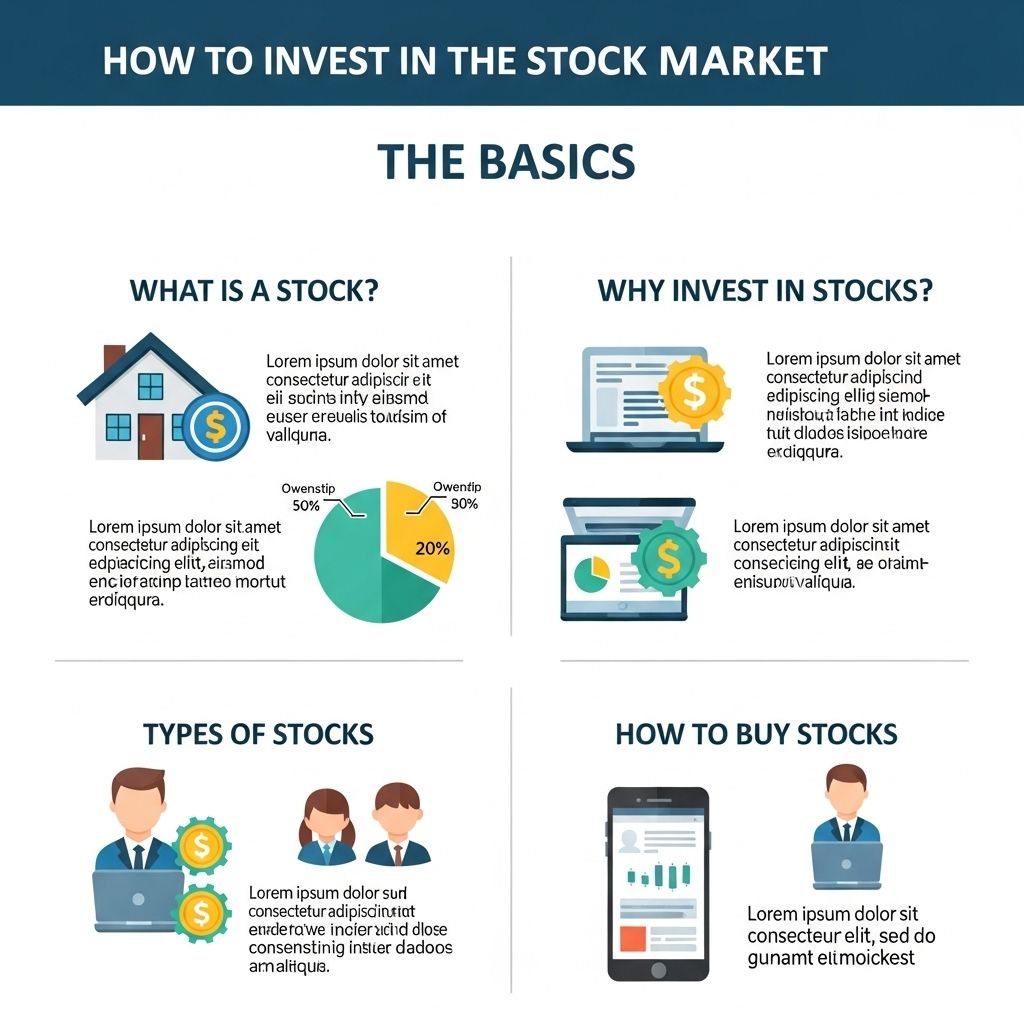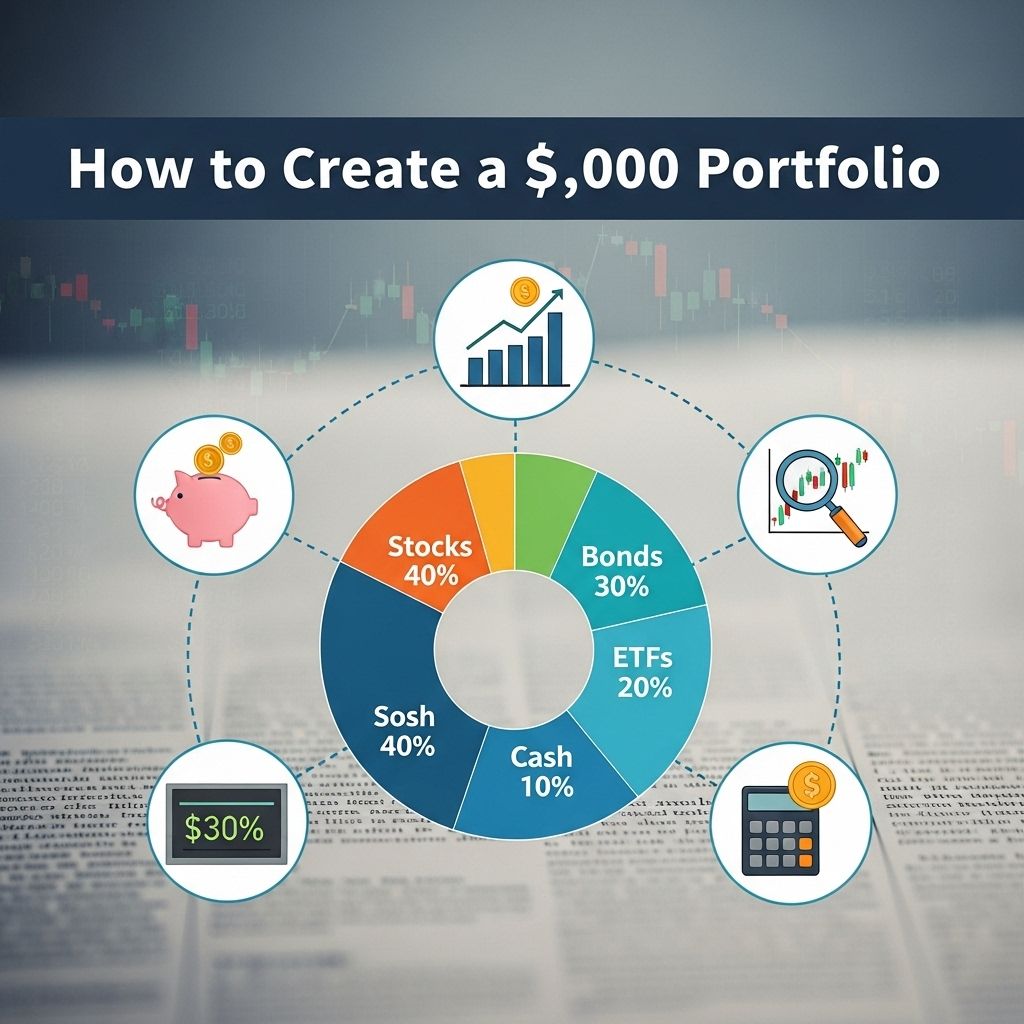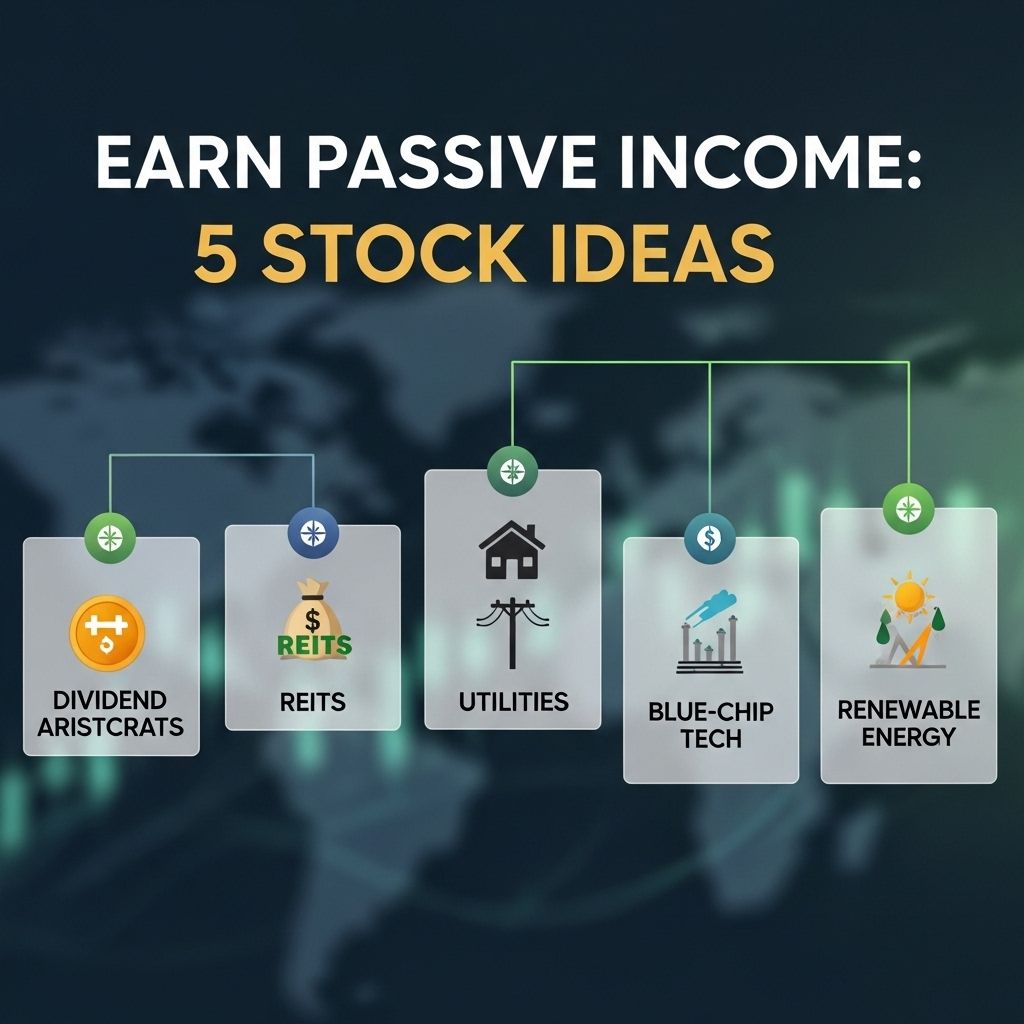
Creating a successful investment model can seem daunting, especially when aiming to generate significant returns such as $10,000 or more. However, with the right strategies, tools, and understanding of the financial markets, it’s possible to build a robust investment model that can pave the way for financial growth. In this article, we will delve into the essential components of constructing a $10,000 investment model, exploring various assets, strategies, and risk management techniques that can lead to fruitful investments.
Creating a $10,000 investment model doesn’t have to be daunting. With the right resources and guidance, you can easily design a tailored investment strategy that reflects your financial goals. To get started, View our latest model mockups.
Understanding Investment Models
An investment model is essentially a framework that outlines how an investor allocates their capital across different asset classes to achieve specific financial goals. The foundation of a sound investment model includes:
- Risk Tolerance: Understanding how much risk you can take on is crucial in determining your investment strategy.
- Investment Horizon: Knowing how long you plan to invest helps in selecting appropriate assets.
- Asset Allocation: This involves diversifying your investments across various asset classes to minimize risk.
Defining Your Goals
Before embarking on the journey of building your investment model, it’s important to define your investment goals clearly. Consider the following:
Identifying Your Objectives
Your investment goals might include:
- Savings for retirement
- Funding a child’s education
- Purchasing a home
- Building wealth over time
- Generating passive income
Setting a Timeframe
Timeframes can significantly affect the choice of investments. Generally, the longer your investment horizon, the more risk you can afford to take. Common timeframes include:
- Short-term (1-3 years)
- Medium-term (3-10 years)
- Long-term (10+ years)
Asset Classes to Consider
To build a diversified portfolio, consider allocating your $10,000 across various asset classes. Here are some key categories:
1. Stocks
Investing in stocks can offer high returns but comes with higher volatility. Consider indexing or blue-chip stocks for stability.
2. Bonds
Bonds are generally safer investments that provide a steady income stream. They are ideal for risk-averse investors.
3. Real Estate
Investing in real estate can be an excellent way to generate passive income. Real Estate Investment Trusts (REITs) are a way to invest without needing substantial capital.
4. Mutual Funds and ETFs
Mutual funds and exchange-traded funds (ETFs) allow diversification through a single investment. They can be a great option for beginner investors.
5. Cryptocurrencies
Although highly speculative, cryptocurrencies have gained popularity for their potential high returns. Caution is advised, as they can be very volatile.
Constructing Your Investment Portfolio
Once you’ve defined your goals and identified potential asset classes, it’s time to construct your portfolio. Here’s a simple framework:
Sample Portfolio Allocation
| Asset Class | Percentage Allocation | Amount ($) |
|---|---|---|
| Stocks | 50% | 5,000 |
| Bonds | 30% | 3,000 |
| Real Estate (REITs) | 10% | 1,000 |
| Cash Reserves | 5% | 500 |
| Cryptocurrencies | 5% | 500 |
Risk Management Strategies
No investment strategy is complete without addressing risk management. Here are some essential techniques:
Diversification
Spreading investments across different asset classes helps mitigate risks associated with any single investment.
Regular Rebalancing
Periodically review and adjust your portfolio to maintain your target asset allocation. This helps in taking profits from high-performing assets and reinvesting in underperforming ones.
Setting Stop-Loss Orders
For stocks and cryptocurrencies, consider using stop-loss orders to limit potential losses.
Monitoring Your Investment Model
Once your investment model is set up, monitoring its performance is essential. Use the following approaches:
Tracking Performance
Regularly evaluate your investments against benchmarks to assess their performance. Use tools like:
- Brokerage platforms that provide performance analytics
- Investment apps for real-time tracking
Staying Informed
Keep yourself updated with market news, economic indicators, and geopolitical events that may impact your investments. This knowledge is crucial for making informed decisions.
Conclusion
Building a $10,000 investment model is not just about picking stocks or bonds. It involves a comprehensive understanding of your financial goals, risk tolerance, and market dynamics. By diversifying your portfolio across various asset classes and employing robust risk management strategies, you can set yourself on a path toward achieving your investment objectives. Remember, investing is a marathon, not a sprint. Stay disciplined, patient, and informed to navigate the financial markets successfully.
FAQ
What is a $10,000 investment model?
A $10,000 investment model is a financial plan or strategy that outlines how to allocate and grow an initial investment of $10,000 through various asset classes, such as stocks, bonds, or real estate.
What are the key components of an investment model?
The key components of an investment model include asset allocation, risk tolerance assessment, investment goals, time horizon, and regular performance evaluation.
How can I diversify my $10,000 investment?
You can diversify your $10,000 investment by spreading it across different asset classes, such as equities, fixed income, mutual funds, ETFs, and other investment vehicles to minimize risk.
What types of investments should I consider for a $10,000 model?
Consider a mix of stocks, bonds, index funds, and real estate investment trusts (REITs) to create a balanced portfolio tailored to your financial goals and risk tolerance.
How often should I review my investment model?
It’s advisable to review your investment model at least annually or during significant life changes, such as a job switch or major financial decision, to ensure it aligns with your current goals.
What resources are available to help me build an investment model?
Resources such as financial advisors, investment apps, online courses, and books on personal finance can provide valuable guidance in building a successful investment model.