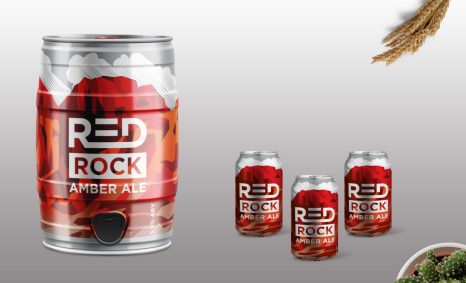
In today’s competitive market, establishing a unique brand is crucial for standing out among the myriad of choices available to consumers. One often overlooked aspect of branding is custom packaging, which plays a vital role in enhancing brand identity and customer experience. This article delves into the significance of custom packaging and offers practical tips on how to leverage it for building a strong brand.
In today’s competitive market, custom packaging plays a crucial role in building your brand identity. It not only enhances the customer experience but also sets your products apart from the competition. For those looking to elevate their packaging game, check out our mug mockups to visualize your unique designs.
Understanding the Importance of Custom Packaging
Custom packaging goes beyond merely containing a product; it serves as a critical marketing tool. Here are some reasons why it matters:
- Brand Recognition: Unique packaging helps your products stand out on shelves, making it easier for customers to recognize your brand.
- Consumer Experience: High-quality packaging enhances the unboxing experience, ensuring that customers feel valued and excited about their purchase.
- Environmental Impact: Sustainable packaging options can resonate with eco-conscious consumers and elevate your brand’s reputation.
- Communication: Packaging can convey important information about your product, including ingredients, usage instructions, and brand story.
Elements of Effective Custom Packaging
To ensure your custom packaging effectively represents your brand, consider the following elements:
1. Design
The visual appeal of your packaging is often the first impression customers will have of your product.
- Color Schemes: Choose colors that reflect your brand’s personality.
- Typography: Use fonts that are legible and consistent with your brand identity.
- Graphics: Integrate logos and illustrations that tell your brand story.
2. Materials
The choice of materials not only affects the aesthetic of your packaging but also impacts functionality and sustainability.
- Eco-Friendly Options: Consider biodegradable, recyclable, or reusable materials.
- Durability: Ensure that the packaging protects the product while still being visually appealing.
3. Functionality
Effective packaging should serve its purpose without unnecessary complexity:
- Ease of Use: Ensure that your packaging is easy to open and reseal if necessary.
- Portability: Consider the ease of carrying your product, especially for consumer goods.
Steps to Create Custom Packaging
Creating custom packaging involves a strategic approach. Here’s a step-by-step guide:
Step 1: Define Your Brand Identity
Consider the following questions to clarify your brand identity:
- What are your brand values?
- Who is your target audience?
- What message do you want your packaging to convey?
Step 2: Conduct Market Research
Analyze competitors and market trends:
- Identify successful packaging strategies within your industry.
- Gather feedback on existing packaging to identify areas of improvement.
Step 3: Collaborate with Designers
Work with graphic designers to develop packaging concepts:
- Share your brand guidelines and design preferences.
- Request multiple prototypes for testing.
- Consider consumer feedback before finalizing designs.
Step 4: Choose the Right Materials and Suppliers
Select materials that align with your brand values:
- Find suppliers that specialize in the materials you require.
- Consider production timelines and costs.
Step 5: Test and Iterate
Before full-scale production:
- Conduct focus groups to evaluate packaging effectiveness.
- Test packaging durability through shipping simulations.
Incorporating Technology into Packaging
Advancements in technology can enhance your packaging strategy:
Smart Packaging
Utilize technology such as QR codes and NFC tags:
- Provide consumers instant access to product information.
- Encourage interaction through augmented reality experiences.
Eco-friendly Innovations
Explore biodegradable inks and sustainable materials:
- Reduce environmental impact and appeal to eco-conscious consumers.
- Highlight these features on the packaging itself.
Measuring the Impact of Custom Packaging
To determine the effectiveness of your custom packaging, track the following metrics:
Sales Performance
Monitor changes in sales before and after implementing your custom packaging to assess its impact.
Customer Feedback
Solicit customer reviews and comments on packaging:
- Identify strengths and areas for improvement.
- Engage with customers through feedback surveys.
Brand Loyalty
Evaluate repeat purchase rates and overall brand loyalty:
- Assess whether packaging influences customer retention.
- Consider running loyalty programs to further enhance brand loyalty.
Conclusion
Effective custom packaging is a powerful tool for building and reinforcing your brand identity. By prioritizing design, functionality, and sustainability, you can create packaging that not only protects your product but also enhances the customer experience. As you embark on your packaging journey, remember that every detail counts in creating a lasting impression and fostering brand loyalty.
FAQ
What is custom packaging and why is it important for branding?
Custom packaging refers to packaging that is designed specifically for a brand’s products, enhancing the overall customer experience and reinforcing brand identity. It’s important for branding as it differentiates your products, communicates your brand values, and can influence purchasing decisions.
How can custom packaging improve customer experience?
Custom packaging can improve customer experience by creating a memorable unboxing experience, ensuring product safety, and reflecting the quality of the brand. Thoughtful packaging can make customers feel valued and increase their likelihood of returning.
What are the key elements to consider when designing custom packaging?
Key elements to consider include material choice, design aesthetics, functionality, sustainability, and how well the packaging aligns with your brand message. It’s essential to create packaging that is visually appealing while also being practical.
Can custom packaging help with brand recognition?
Yes, custom packaging plays a significant role in brand recognition. Unique designs, colors, and logos can make products easily identifiable, helping your brand stand out on shelves and online, leading to increased visibility and recall.
What role does sustainability play in custom packaging?
Sustainability is increasingly important in custom packaging as consumers are more conscious of environmental issues. Using eco-friendly materials and designs that reduce waste can enhance your brand’s reputation and appeal to environmentally aware customers.
How can I measure the impact of custom packaging on my brand?
You can measure the impact of custom packaging by tracking key metrics such as customer feedback, sales performance, repeat purchase rates, and social media engagement. Surveys and reviews can help gauge customer satisfaction and perceptions of your packaging.