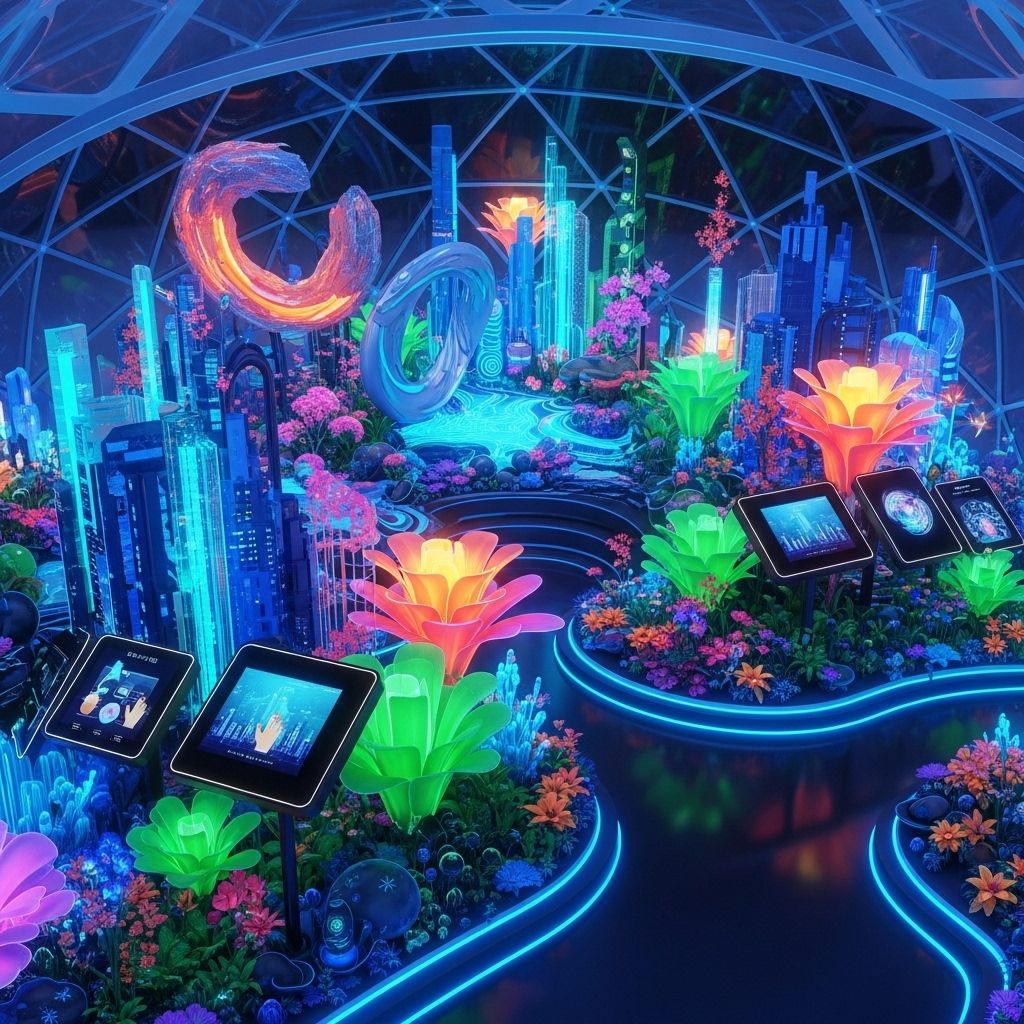
As we venture into 2025, the world of 3D artwork continues to evolve, pushing the boundaries of creativity and technology. Artists are increasingly harnessing new tools like augmented reality (AR) and virtual reality (VR) to create immersive experiences that captivate audiences. In this article, we will explore unique 3D artwork ideas that not only showcase innovative techniques but also reflect the ongoing trends in digital art. Whether you’re a seasoned artist or a beginner looking to expand your portfolio, these ideas will inspire you to experiment with your creative process.
As we look towards 2025, the world of 3D artwork is ripe for exploration and innovation. From immersive environmental designs to intricate character modeling, artists are pushed to think outside conventional boundaries. For inspiration and resources, Explore our diverse models that showcase the potential of this creative medium.
Embracing Augmented Reality
Augmented reality is transforming the way we interact with art. By blending digital elements with the physical world, artists can create unique experiences that engage viewers in new ways. Here are some ideas to incorporate AR into your 3D artwork:
- Interactive Sculptures: Create sculptures that come to life through AR applications. Viewers can use their smartphones or AR glasses to see animations or additional layers of the artwork.
- AR Murals: Paint a mural that includes QR codes or markers. When scanned, these trigger 3D animations or soundscapes that add depth to the visual experience.
- Virtual Art Exhibitions: Organize an exhibition where visitors can explore 3D models of your artwork in an AR environment, allowing for a more immersive and interactive viewing experience.
Geometric Abstractions
Geometric abstraction has been a staple in modern art for decades, and it continues to be a fertile ground for 3D experimentation. Here’s how you can explore this style:
3D Geometric Installations
Consider creating large-scale installations that embody geometric shapes. These can be constructed from various materials such as wood, metal, or even biodegradable materials. Displaying them in public spaces can provoke thought and reflection. For instance:
- Use mirrored surfaces for a stunning visual effect that changes with light.
- Incorporate movement with kinetic art elements that shift based on wind or viewer interaction.
- Implement LED lighting to enhance the geometric forms and create dynamic color changes.
Digital Geometric Patterns
For those who prefer digital mediums, software like Blender and Cinema 4D offers tools to create intricate geometric patterns that can be rendered and printed as 3D models. Here are some techniques to explore:
| Technique | Description |
|---|---|
| Subdivision Surfaces | Use subdivision surfaces to create smooth, organic forms from basic geometric shapes. |
| Parametric Design | Explore parametric design to generate complex structures that adapt to various inputs, leading to unique outcomes. |
| Voronoi Patterns | Create Voronoi diagrams that can be manipulated into striking 3D forms, perfect for abstract sculptures. |
Fusion of Nature and Technology
As discussions about sustainability grow, artists are finding ways to merge nature with technology through 3D art. This can manifest in several ways:
Biomimicry in 3D Art
Explore biomimicry by designing 3D artworks that replicate natural forms or processes. For example:
- Design sculptures inspired by the structure of natural organisms like corals or plants.
- Incorporate sustainable materials such as recycled plastics or responsibly sourced wood to reinforce a message of environmental consciousness.
- Create interactive displays that mimic natural phenomena, such as water flowing or trees swaying in the wind.
Nature-Infused Digital Art
For digital artwork, consider using software to incorporate real-world textures and elements into your creations. Techniques to explore include:
- Photogrammetry: Capture real-world objects and convert them into 3D models that can be manipulated and combined with digital elements.
- Digital Collage: Blend photographs of natural landscapes with 3D elements to create a juxtaposition of reality and fantasy.
- Dynamic Ecosystems: Create virtual environments that evolve based on viewer interaction, reflecting the delicate balance of nature.
Exploring Cultural Narratives
Art has always been a powerful medium for storytelling. In 2025, artists can leverage 3D techniques to share cultural narratives and histories:
3D Storytelling Installations
Create immersive storytelling experiences by designing installations that narrate a cultural story. Here’s how:
- Utilize 3D-printed elements that represent significant cultural symbols or artifacts.
- Incorporate audio or video elements that provide context and depth to the narrative.
- Engage the audience by allowing them to interact with the installation, perhaps by choosing paths that lead to different stories.
Digital Cultural Heritage
Preserve and celebrate cultural history by creating 3D models of historical artifacts or architecture:
- Use 3D scanning to document and create accurate representations of cultural artifacts.
- Design virtual tours of historic sites, allowing viewers to explore and learn about their cultural significance without physical constraints.
- Engage communities in collaborative projects to ensure diverse narratives are represented and preserved.
Conclusion
The horizon of 3D artwork for 2025 is filled with endless possibilities. By embracing technology, exploring unique materials, and focusing on meaningful narratives, artists can create works that are not only visually striking but also impactful. Whether it’s through AR, geometric abstractions, or cultural storytelling, the future of 3D art is bright and full of potential. As you embark on your artistic journey this year, let these ideas inspire you to innovate and push the boundaries of what is possible in the realm of 3D art.
FAQ
What are some unique 3D artwork ideas for 2025?
In 2025, consider exploring augmented reality sculptures, interactive installations, and innovative digital collages that blend physical and virtual elements.
How can I incorporate sustainability into my 3D artwork in 2025?
Utilize eco-friendly materials, repurpose found objects, and implement 3D printing with biodegradable filaments to create sustainable art pieces.
What technology trends will influence 3D art in 2025?
Expect advancements in AI-generated art, immersive virtual reality experiences, and enhanced 3D modeling software that will shape the future of 3D creativity.
Where can I showcase my 3D artwork in 2025?
Explore online galleries, virtual exhibitions, and augmented reality platforms to reach a wider audience and showcase your 3D creations.
How can I collaborate with other artists for 3D projects in 2025?
Join online art communities, attend workshops, and participate in collaborative art events to connect with other artists interested in 3D projects.