PSD Mockup
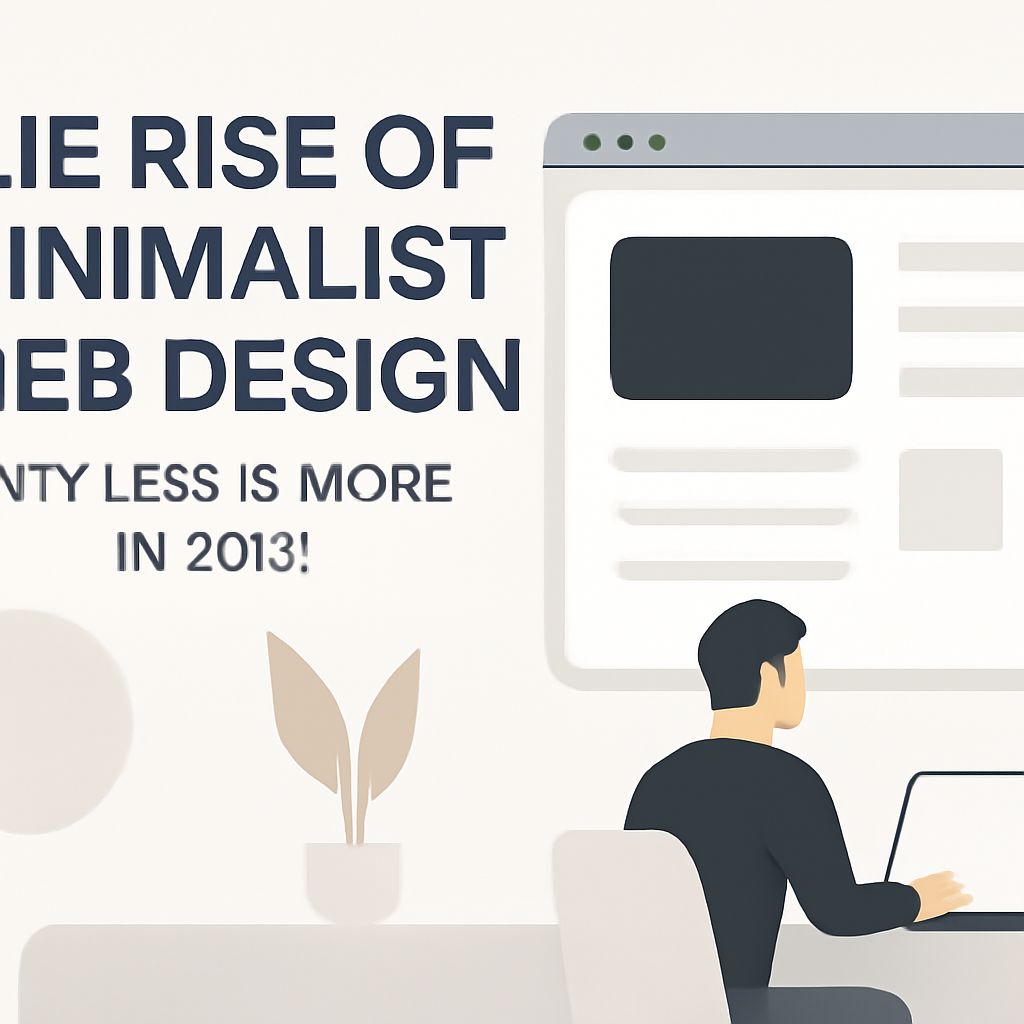
The Rise of Minimalist Web Design: An Overview
As we move deeper into the digital age, the adage ‘less is more’ has gained significant traction in the world of web design. In 2025, minimalist web design has emerged as a dominant trend, emphasizing simplicity and user experience. This approach strips away unnecessary elements, allowing users to focus on what truly matters. In this article, we’ll explore the key principles of minimalist web design, its benefits, and why it’s becoming increasingly essential in creating effective online experiences.
Understanding Minimalist Web Design
Minimalist web design is characterized by the use of essential elements only, avoiding excessive clutter that can overwhelm visitors. Its primary goal is to create a clean, functional, and enjoyable user experience. Here are the core principles that define this design philosophy:
- Simplicity: Focusing on basic elements to enhance usability.
- Whitespace: Utilizing negative space to improve content legibility.
- Limited Color Palette: Choosing a small number of colors to create a harmonious look.
- Typography: Selecting clear, readable fonts that contribute to the overall aesthetic.
- Functional Elements: Ensuring every item serves a purpose and enhances user navigation.
The Benefits of Minimalist Web Design
There are numerous advantages to adopting a minimalist web design approach. Here, we highlight some of the most significant benefits:
1. Enhanced User Experience
By simplifying the interface, users can navigate a site more easily without distractions. This leads to improved user satisfaction and engagement.
2. Faster Load Times
Minimalist designs often utilize fewer elements, resulting in quicker load times. This is crucial, as users expect fast, responsive websites. According to research, a delay of even a few seconds can lead to increased bounce rates.
3. Improved SEO
Search engines favor websites with minimal design components that load quickly. A cleaner codebase and user-friendly experience can positively impact your site’s search engine rankings.
4. Greater Focus on Content
With fewer distractions on the page, users can concentrate on the essential content. This is particularly beneficial for storytelling and content-driven websites.
5. Easier Maintenance
A minimalist design typically translates to a simpler code structure, making maintenance and updates more straightforward and less time-consuming.
Trends in Minimalist Web Design for 2025
The landscape of web design is continually evolving, and minimalist web design in 2025 is no exception. Here are some emerging trends:
1. Dark Mode
Dark mode has become increasingly popular, allowing users to switch to a sleek, low-light interface. This not only reduces eye strain but also aligns with the minimalist ethos by simplifying color usage.
2. Modular Design
Modular design segments the site into distinct blocks, enabling flexibility while maintaining a minimal aesthetic. This approach allows for dynamic content display without overwhelming the user.
3. Micro-Interactions
Subtle animations and micro-interactions enhance user experience by providing feedback and guiding actions. When executed correctly, they can add personality to a minimalist design without detracting from its core simplicity.
4. Bold Typography
As visual distractions are minimized, typography takes center stage. Bold fonts and creative typefaces can effectively convey messages and brand identity.
5. Custom Illustrations
Custom illustrations, while maintaining a minimalist aesthetic, can add uniqueness to web designs. They create a personal connection with users and can communicate complex ideas in a straightforward manner.
Implementing Minimalist Web Design
Transitioning to a minimalist design can be an exciting process, but it requires careful consideration and planning. Here are some steps to effectively implement minimalist web design:
1. Define Your Goals
Before diving into design, establish clear objectives for your website. What messages do you want to convey? Who is your target audience? Understanding these goals will guide your design choices.
2. Conduct a Content Audit
Review existing content to identify what is essential and what can be eliminated. Prioritize high-quality, relevant content that serves your goals.
3. Choose a Fitting Color Scheme
Select a limited color palette that aligns with your brand identity. Utilize whitespace strategically to enhance readability and guide user attention.
4. Optimize for Mobile
With a majority of users accessing websites through mobile devices, ensure your minimalist design is responsive and maintains functionality across different screen sizes.
5. Test and Iterate
Once your minimalist site is live, conduct user testing to gather feedback. Make necessary adjustments based on user interactions to improve the overall experience continuously.
Challenges and Considerations
While minimalist web design offers many benefits, it also comes with challenges. Here are some considerations to keep in mind:
1. Balancing Aesthetics and Functionality
Creating a visually appealing minimalist design while ensuring functionality can be challenging. It’s essential to strike a balance that provides both beauty and usability.
2. Avoiding Over-Simplification
While simplicity is key, over-simplifying can lead to confusion. Ensure that essential information is easily accessible and that navigation remains intuitive.
3. Maintaining Brand Identity
Minimalism should not overshadow your brand’s identity. Ensure that your design reflects your brand values and resonates with your audience.
Conclusion
In 2025, the rise of minimalist web design has reaffirmed the importance of simplicity in creating engaging digital experiences. By focusing on essential elements, brands can provide users with faster, cleaner, and more enjoyable interactions. As this trend continues to evolve, embracing minimalist principles will be key to standing out in an increasingly crowded digital landscape. Whether you’re redesigning an existing site or creating a new one, adopting a minimalist approach can lead to significant improvements in user engagement and satisfaction.
FAQ
What is minimalist web design?
Minimalist web design focuses on simplicity by using fewer elements to create a clean and functional user experience.
Why is minimalist web design becoming popular in 2025?
In 2025, minimalist web design is trending due to the demand for faster loading times, improved user experience, and better mobile compatibility.
How does minimalist web design enhance user experience?
Minimalist web design reduces clutter and distractions, allowing users to navigate more easily and find information quickly.
What are the key elements of minimalist web design?
Key elements include ample white space, a limited color palette, simple typography, and essential functionality without unnecessary features.
Can minimalist web design improve SEO?
Yes, minimalist web design can improve SEO by enhancing site speed and usability, which are important factors for search engine rankings.
Is minimalist web design suitable for all types of businesses?
While it works well for many brands, businesses should consider their target audience and brand identity to determine if minimalist design is appropriate.